


An international art shipment can be stopped at the border by the crate rather than by anything inside it. Solid wood packaging has to be heat-treated and marked before it travels, and a crate that arrives without the mark is held while somebody works out whether the timber can be treated where it stands or has to go home.
The rule behind this is ISPM-15, and it applies to the wood a crate is built from rather than to the artwork the crate protects. It catches people out because a finished crate looks perfectly correct from the outside. The requirement comes down to a small stamp branded into the timber, and most owners have never been told to look for it. Anyone arranging international fine art shipping for the first time should know it exists before a crate is built.
What follows is a plain explanation of what the mark means and which crates actually need one, along with the details that hold up shipments that were otherwise carefully planned.
Key Takeaways
- Solid wood packaging used in international shipping has to be heat–treated and marked before it crosses a border. The mark is commonly called an HT stamp.
- Crates made entirely from processed board, such as plywood or OSB, are generally exempt, because manufacturing has already dealt with the pest risk.
- The mark carries four pieces of information and must appear on at least two opposite sides of the crate.
- Internal bracing and loose dunnage count as regulated wood packaging, which is where many otherwise careful shipments come unstuck.
- Requirements vary by destination country, so the position should be confirmed for your specific route.
Quick Answer
| Solid wood packaging used for international shipping has to be heat-treated and marked with an IPPC stamp before it travels. The stamp is often called an HT stamp, after the treatment code it carries. Crates built entirely from processed board, such as plywood, are generally exempt, because the manufacturing process already destroys the pests the rule exists to control. A solid timber crate with no mark on it should be expected to fail inspection. |
What an HT Stamp Actually Is
The rule behind the stamp is ISPM-15, which stands for International Standard for Phytosanitary Measures No. 15. Phytosanitary means plant health. The standard was written by the International Plant Protection Convention, a body under the United Nations Food and Agriculture Organization, and it exists because raw timber carries insects and larvae that can survive a long journey inside a pallet or a crate wall and then establish themselves somewhere they have no natural predators.
The mark itself is small and easy to miss once you know it is there. It carries four things:
- The IPPC symbol, a stylized ear of wheat.
- A two-letter country code, using the ISO standard, so US for the United States.
- A unique number, identifying the facility that carried out and certified the treatment.
- A treatment code. HT means heat treatment. MB means methyl bromide fumigation.

Heat treatment means the wood has been through a chamber until its core reaches at least 56 degrees Celsius and has held that temperature for a minimum of thirty minutes. In the United States, the program is administered by the Animal and Plant Health Inspection Service alongside the American Lumber Standard Committee, which accredits the agencies that inspect treatment providers and authorize the mark.
That accreditation is the part that matters practically. A crate is not compliant because somebody put it in an oven. It’s compliant because a facility operating under an accredited program treated it and marked it, and the mark can be traced back to that facility.
Why Wood Without a Stamp Gets Shipments Held
Border inspectors are not assessing your artwork when they look at a crate. What they’re checking is whether the packaging meets the destination country’s phytosanitary requirements, and unmarked solid wood is straightforward to spot.
What happens next depends on the country and the port, and the possibilities are worth understanding before you are in the middle of one:
- The shipment is refused entry.
- The packaging has to be treated locally, if a facility is available and willing.
- The contents are repacked into compliant materials at the port.
- The whole consignment is re-exported to its origin.
Each of those costs money, and the cost normally falls on the shipper rather than the carrier. The larger problem is usually time. A painting held for a fortnight is an inconvenience when it’s going into a private residence at the other end and a serious problem when it is going into a fair that opens on a fixed date.
Repacking at a port incurs another cost. The piece is unpacked and handled by people who were never part of the plan, in a building nobody surveyed, which breaks the chain of custody that a specialist shipment is built around. If damage appears later, the condition report made before collection becomes the only clear record of what the piece looked like before strangers opened the crate.
Which Crates Need a Stamp, and Which Do Not
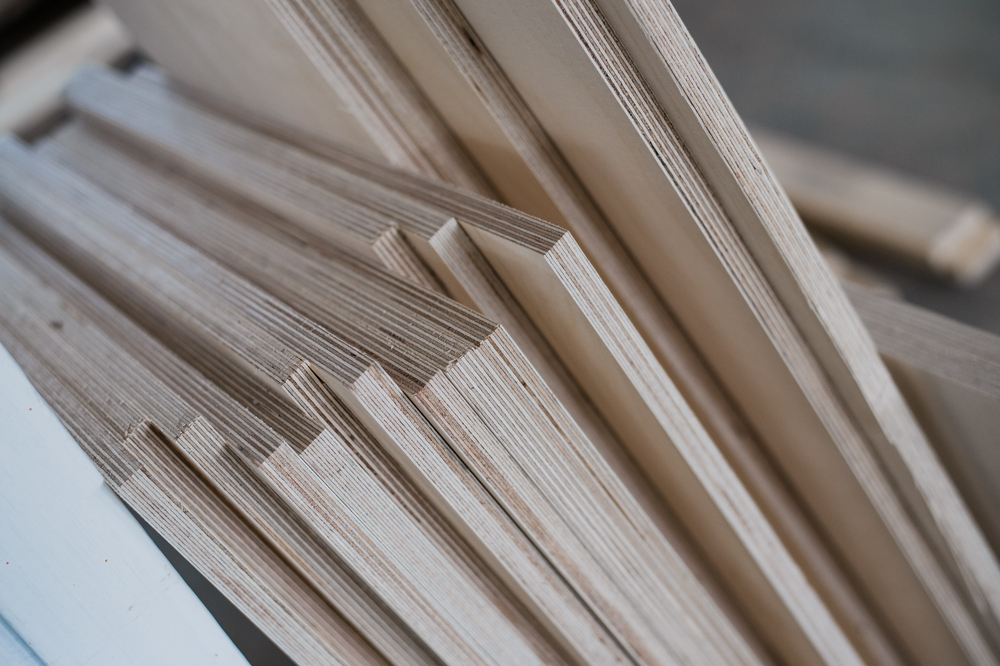
Here’s the part that surprises people, and the reason a straight yes or no answer does not work. The requirement applies to solid wood packaging. It does not apply to packaging made wholly of processed wood products because the manufacturing process applies sufficient heat and pressure, together with adhesive, to destroy any living organisms in the original timber.
Materials generally treated as exempt include:
- Plywood
- Oriented strand board
- Particle board
- Veneer produced using adhesive under heat or pressure.
That’s why two crates that look almost identical to their owner can face completely different requirements. A plywood case built for a framed canvas may need no mark at all. A solid pine crate of the same dimensions needs to be treated and marked before it goes anywhere. We have written about how crate construction is decided in our guide to custom wooden crates.
One important qualification. The exemption applies to packaging made wholly of processed material. A plywood case built on a solid timber frame contains regulated components, which are subject to the rule even though the panels are not. If a crate mixes materials, treat it as regulated and ask the builder to confirm.
The Details That Catch People Out
The shipments that fall foul of this rule are rarely the careless ones. Usually, the crate has been treated, and the documentation is in order, but something smaller has been missed along the way. Four points account for most of it, and none of them are obvious unless somebody has been caught by them before.
The mark has to be visible on two opposite sides
One stamp is not enough. The mark has to be applied so that it’s legible and permanent, and it has to appear on at least two opposite sides of the item, so an inspector can find it without turning the crate over.
Bracing and dunnage count as packaging
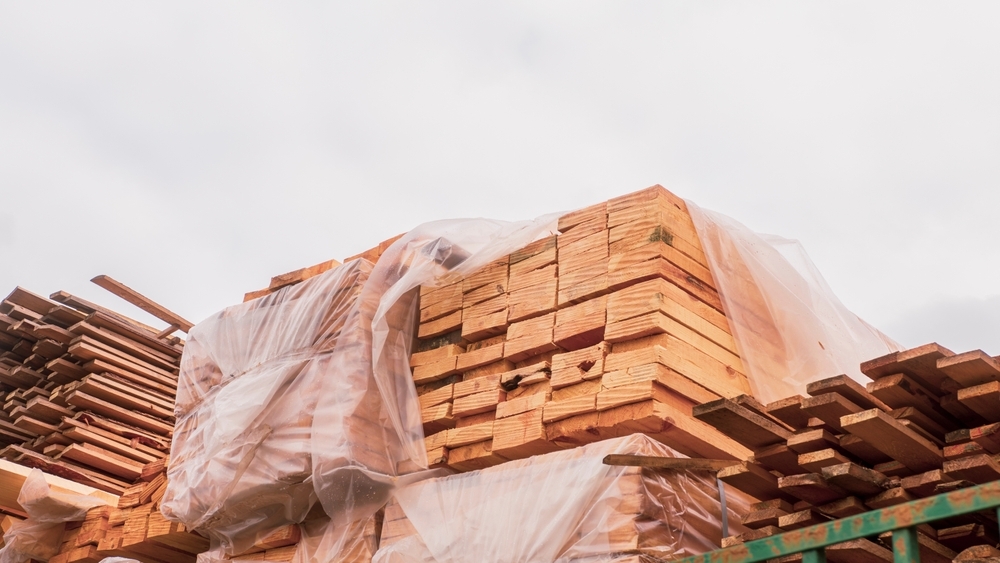
Loose timber used to brace or separate items inside a crate falls under the same rule as the crate walls. That creates a practical problem, because that timber is usually cut to length while the crate is being packed, and cutting a length of marked lumber can leave you with an offcut that carries no mark at all. There are two accepted ways around it. Mark the lumber along its entire length so that each cut piece retains a mark, or apply the mark to the final cut piece at the point of use.
The wood has to be debarked before treatment
Bark can harbor pests that survive the treatment applied to the wood beneath it, so regulated wood packaging has to be debarked. Small patches of residual bark are tolerated within defined limits rather than banned outright.
Certified wood must not be altered or mixed
APHIS reminds exporters not to alter certified wood packaging or combine it with non-certified material. A crate that starts compliant and is then modified with untreated timber, perhaps to reinforce a corner or add a skid, has stopped being compliant, and the mark on the side no longer tells the truth about what the crate is made of.
People assume the crate is the simple part of an international shipment. It is the part most likely to stop the job, because everything else can be corrected with a phone call, and untreated wood cannot be corrected once it is at the border.
— Brian Rees, Chief Executive Officer, Arrow Express
Shipping a Piece Overseas?
Tell us where it is going and what it is, and we will come back with a plan that includes the crate specification and the documentation your route needs.
How a Compliant Crate Gets Built
Compliance is a design decision rather than a finishing touch. Once a crate is built, treating it becomes awkward and sometimes impossible, so the material choice has to be made at the point somebody works out what the piece needs. That’s the same conversation in which crate dimensions, internal stabilization, and access at both ends get settled, which is why custom crating and international planning belong together rather than in sequence.
In practice, the decision usually runs one of two ways. Either the crate is built from processed board that falls outside the requirement, or it’s built from solid timber treated and marked by an accredited facility. Both are legitimate. The choice depends on the object, the route, and the required structural protection, so the packing materials are selected once those are settled. Oversized or awkward pieces that need a one-off solution are handled through our bespoke crating service, and the same question about wood applies there.
How We Know Our Wood Is Treated
We do not heat-treat lumber ourselves. We buy it already treated and stamped from a distributor, which is how most crate builders work. What matters is what happens after that.
An inspector visits monthly and reconciles the treated lumber in our stock against our purchase receipts. The audit exists to prove that the crates leaving here are built from the material we say they are built from, and that nothing untreated has somehow found its way into the pile.
That check matters because the failure it prevents is invisible. There’s no way to look at a finished crate and know whether the timber in it was heat treated. Heat treatment changes nothing you can see or smell. The mark is the only evidence, which is why what sits behind the mark matters. A crate built from the wrong stock will pass through your loading dock and your freight forwarder without anyone noticing, and then be held at the border.
If you are using a different shipper, this is a fair question to put to them. Ask who audits their lumber and how often. Then ask what happens to a crate that fails the check. A firm enrolled in the program answers in one sentence.
Note: Heat treatment is often confused with pressure treatment, which is a different thing entirely. Pressure-treated lumber carries a visible green or brown tint from the chemical preservative, and it does not satisfy ISPM-15 on its own. Heat treatment leaves no trace you can see, which is the whole reason the standard relies on a marked, audited chain rather than on inspection at the border.
Before You Ship Internationally
Requirements are not identical everywhere. APHIS maintains a list of countries that require ISPM-15-compliant wood packaging, and it’s worth checking rather than assuming, particularly for a destination you’ve not shipped to before. Acceptance of the two treatment methods also varies, and methyl bromide is restricted in a number of places, so heat treatment is the more widely accepted route.
The crate is one of several things decided long before a shipment moves. How a piece is described on the invoice, and the classification that description drives, both shape what happens at the border. We have covered that side of it in what actually happens when shipping fine art internationally.
Materials inside the object matter as much as the crate around it. Pieces containing ivory or tortoiseshell may require permits under CITES, as can certain protected woods, and this most often comes up with period furniture and fixtures. Because US Fish and Wildlife counts those materials as wildlife products, a cabinet with ivory inlay also needs a declaration to them alongside the CITES permit, and it can only clear through certain ports.
So, a nineteenth-century cabinet can present two separate wood questions at once, one about the crate and one about the inlay.
Duty rates and trade measures change far more often than any of the above, so confirm the current position for your route rather than relying on last year’s experience. Our international shipping and customs service builds these checks into the planning stage, which is the only stage at which they are cheap to resolve.
Frequently Asked Questions About Heat-Treated Wood
Below are the questions we are asked most often once a crate specification comes up. If yours is not here, call us on 516-867-4366 and a person who can answer it will pick up.
Does my art crate need an HT stamp?
If the crate is made of solid wood and the shipment crosses an international border, then almost certainly yes. If it is made entirely from plywood or another processed board, generally no. If it combines the two, treat it as regulated and ask whoever built it to confirm what the frame is made of.
Do plywood crates need to be heat-treated?
Plywood is normally exempt, because the manufacturing process combines heat and pressure with adhesive, which destroys the pests the standard is concerned with. The exemption applies to packaging made wholly of processed material, so a plywood case with a solid timber frame is a different case.
What does HT mean on a shipping crate?
HT is the treatment code for heat treatment and appears alongside the IPPC wheat symbol, the country code, and the treatment facility number. Heat treatment means the wood core reached at least 56 degrees Celsius for at least thirty minutes. MB in the same position means methyl bromide fumigation instead.
Who is responsible if a crate is not compliant?
Costs arising from non-compliant packaging normally fall on the shipper rather than the carrier, which is why the specification is worth agreeing in writing before the crate is built. Delay and treatment costs of this kind sit outside most transit insurance policies, since nothing has been damaged. Ask your shipper who is responsible for confirming compliance for your route, and include that answer in the quote.
Can an unmarked crate be treated after it is built?
Sometimes, though, it is harder and more expensive than treating the timber first, and it depends entirely on whether an accredited facility nearby can handle a crate of that size with contents already inside. It is not a plan. It is a recovery from not having one.
Get the Crate Right Before It Is Built
Untreated wood is one of the more avoidable causes of an international art shipment being delayed, and it’s determined in the workshop rather than at the border. If you have a piece heading overseas, tell us the route and the object’s details, and we will specify a crate that passes inspection at the other end. Our fine art shipping services cover the entire journey, and the drivers of the price are outlined in our guide to the cost of shipping art.
If you are weighing a specialist against a general carrier, we have compared the two in fine art shipping vs standard freight.
Planning an International Shipment?
Send us the details, and we’ll respond with a clear, itemized plan covering the crate, the paperwork, and the route.
Article Sources
- International Plant Protection Convention. Explanatory document for ISPM 15. Accessed August 4th, 2026.
- International Plant Protection Convention. ISPM 15 Annex 1, approved treatments and marking. Accessed August 4th, 2026.
- USDA Animal and Plant Health Inspection Service. Export ISPM 15-Compliant Wood Packaging Material From the US. January 25th, 2026.
- Food and Agriculture Organization of the United Nations. Implementation of ISPM 15. Accessed August 2026.