


Shipping artwork isn’t the same as shipping general goods. While standard freight is designed for volume, efficiency, and cost, fine art shipping is built around control, precision, and risk management. Choosing the wrong method can expose artwork to unnecessary handling, movement, and pressure during transit.
The key difference comes down to how each method approaches protection. Standard freight systems move items through shared networks with multiple touchpoints, while fine art shipping is structured to minimize handling, stabilize the object, and align protection with the specific risks of the journey.
Understanding the difference between fine art shipping vs standard freight helps you choose the right method before risk becomes a factor.
Fine Art Shipping vs Standard Freight: Key Differences
If you’re deciding between fine art shipping and standard freight, the comparison below breaks down how they differ in practice and when each option makes sense.
| Feature | Fine Art Shipping | Standard Freight |
| Handling | Managed by trained art handlers with experience in fragile, high-value items. | Handled by a general warehouse and logistics staff. |
| Packing and Protection | Custom crating, archival materials, and internal stabilization, designed for the specific artwork. | Basic packaging such as boxes, pallets, or shrink wrap. |
| Movement Control | Designed to limit vibration, shifting, and pressure throughout transit. | Items may shift, stack, or move within shared loads. |
| Handling Frequency | Fewer touchpoints, often direct or carefully routed transport. | Multiple transfers between hubs, vehicles, and facilities. |
| Risk Level | Lower risk due to controlled preparation and handling. | Higher risk for fragile or irregular items. |
| Best For | Fine art, antiques, sculptures, and high-value or irreplaceable items. | Durable, replaceable, or commercial goods. |
| Insurance | Specialized fine art insurance options, aligned with item value. | Limited carrier liability based on weight and standard terms. |
For a broader look at how specialist logistics differs from general freight, see our guide to fine art logistics vs general freight.
Not sure which option is right for your artwork? Our team can quickly assess your piece and recommend the safest shipping method.
What Is Fine Art Shipping?
Fine art shipping is a specialized service designed to move artwork safely by controlling the physical risks it encounters during handling and transport. Unlike standard freight, which prioritizes efficiency and volume, fine art shipping focuses on preparation, stabilization, and precision at every stage of the journey.
At its core, fine art shipping is built around a structured process. Each shipment begins with an assessment of the artwork’s size, weight, materials, and vulnerabilities. This determines how the piece will respond to forces such as vibration, pressure, and movement during transit. From there, protection is designed specifically for the object, often through custom crating, internal supports, and non-reactive packing materials that prevent contact with sensitive surfaces.
Handling is another defining factor. Trained art handlers understand how to move fragile and high-value objects without transferring stress through frames, edges, or structural weak points. This is particularly important in environments where artworks must tackle tight spaces, stairwells, or multiple handling stages before reaching their destination.
Most importantly, fine art shipping is proactive. The outcome of a shipment is largely determined before the artwork is ever loaded for transport. When preparation is aligned with the actual risks of the route, movement becomes a controlled process rather than a reactive one. As a result, fine art shipping provides a level of predictability and protection that standard freight systems are not designed to deliver.
Related Reading: Clearing Customs: What Actually Happens When Shipping Fine Art Internationally
What Is Standard Freight Shipping?
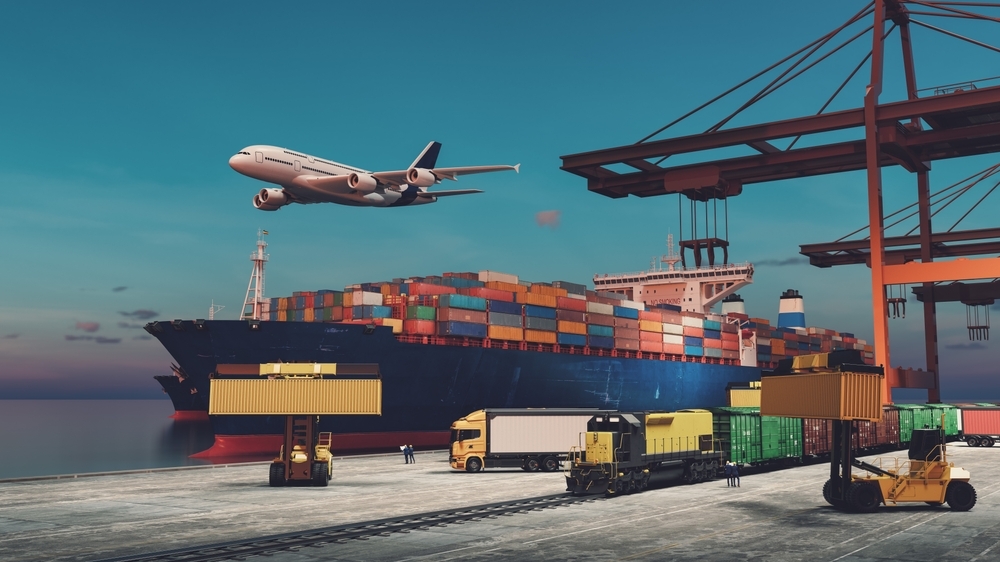
Standard freight shipping is a logistics system designed to move large volumes of goods efficiently across local, domestic, and international routes. It is commonly used for commercial products, equipment, and inventory that can be packed, stacked, and transported within shared networks.
In most freight systems, items are consolidated into pallets or containers and moved through a series of hubs before reaching their final destination. This process often involves multiple handling stages, including loading, unloading, sorting, and transfer between vehicles or facilities. The structure is built for scale and speed, which makes it cost-effective for many types of shipments.
Packaging in freight shipping is typically standardized. Boxes, pallets, shrink wrap, and basic protective materials are used to prepare items for transit. These methods work well for durable goods that can withstand movement, stacking pressure, and repeated handling without damage.
Because freight networks are shared, shipments are often transported alongside other goods. This means items may shift slightly during transit or be repositioned as loads are balanced across a vehicle. Handling is performed by general logistics staff, following established processes designed for efficiency rather than object-specific care.
Standard freight shipping is a reliable solution for many types of cargo, particularly when items are uniform, replaceable, and not sensitive to movement or handling conditions. However, for fragile or high-value items such as artwork, the level of control required during preparation and handling often exceeds what standard freight systems are designed to provide.
Related Reading: Expert Fine Art Shipping Methods Only Professionals Use
How Art Logistics and Freight Shipping Differ in Practice
Understanding the differences at a high level is useful, but the real impact comes from how these approaches perform in practice. The sections below break down where fine art shipping vs standard freight diverge, and why those differences matter when you’re moving fragile or high-value items.
Handling and Expertise
The way an item is handled during a move has a direct impact on its condition at delivery. Fine art shipping relies on trained handlers who understand how fragile objects respond to lifting, tilting, and movement through constrained spaces. They’re aware of pressure points, structural weaknesses, and how to avoid transferring stress through frames or surfaces.
In standard freight systems, handling follows a uniform process designed for speed and consistency across a wide range of goods. While effective for general cargo, this approach does not account for the specific vulnerabilities of delicate or irregular items.
Packing and Protection
Protection in fine art shipping is designed around the individual object. Materials, supports, and crate structures are selected based on the artwork’s size, weight, and sensitivity. Internal stabilization is used to prevent movement, while non-reactive materials protect surfaces from abrasion or contact.
Freight shipping typically uses standardized packing methods such as pallets, cartons, and shrink wrap. These solutions provide general protection but are not engineered to isolate an object from vibration, pressure, or internal movement over time.
Movement and Stability During Transit
Once a shipment is in motion, physical forces such as vibration, acceleration, and directional changes are constant. Fine art shipping accounts for these forces during preparation, ensuring that the object remains stable within its protective system throughout the journey.
In freight environments, items are often transported alongside other cargo within shared loads. As vehicles are loaded, unloaded, and rebalanced, objects may shift or experience changes in pressure. For durable goods, this is expected and manageable. For fragile items, it introduces additional risk.
Handling Frequency and Routing
The number of times an item is handled plays a significant role in overall risk exposure. Fine art shipments are typically routed to limit unnecessary transfers, with fewer touchpoints between origin and destination.
Freight shipments often move through hub-and-spoke networks, where goods are sorted and redistributed across multiple facilities. Each transfer introduces another stage where contact, repositioning, or environmental changes can occur.
Insurance and Liability
Insurance structures differ significantly between the two approaches. Fine art shipping is usually supported by specialized art insurance coverage that reflects the full value of the item and the conditions under which it is transported.
Standard freight operates under carrier liability frameworks, which are often limited and calculated based on weight or predefined terms. This structure may not align with the actual value of high-end or irreplaceable items.
Use Cases and Suitability
Each method is designed for a different type of shipment. Fine art shipping is suited to items that require controlled handling, tailored protection, and predictable outcomes. This includes artwork, antiques, and other high-value objects.
Standard freight is effective for goods that can tolerate movement, stacking, and repeated handling without compromising their condition. It remains a practical solution for commercial shipments where efficiency and cost are the primary considerations.
Related Reading: The Importance of Custom Crating for Safe, Stress-Free Shipping
When Should You Use Fine Art Shipping?

Fine art shipping is the right choice when an item requires controlled handling, tailored protection, and a predictable outcome. While standard freight works well for many types of cargo, certain conditions call for a more specialized approach.
You should consider fine art shipping services when:
- The item is fragile or surface-sensitive: Paintings, works on paper, sculptures, and mixed-media pieces can be affected by even minor movement or pressure. Proper stabilization and non-contact protection help prevent surface damage and structural stress.
- The item is high-value or irreplaceable: When an object cannot be easily repaired or replaced, the margin for error becomes extremely small. Fine art shipping is designed to reduce exposure to unnecessary risk throughout the journey.
- The object has an unusual size, shape, or weight distribution: Large artworks, sculptures, and irregular pieces often require custom support systems to remain stable during handling and transport.
- The shipment involves multiple handling stages or long-distance travel: As the number of touchpoints increases, so does the potential for movement and repositioning. Structured preparation helps maintain stability across each stage.
- The delivery environment presents access challenges: Tight stairwells, narrow corridors, and limited access points can introduce additional handling stress. Planning for these conditions in advance helps protect the object during movement.
- The shipment requires precise coordination or timing: Gallery installations, auctions, and private collections often operate on fixed schedules. Fine art shipping provides the level of control needed to meet those timelines reliably.
In these situations, the goal is not just to move the item from one place to another, but to maintain its condition throughout the process. Fine art shipping achieves this by aligning preparation, handling, and routing with the specific risks involved.
Related Reading: Clearing Customs: What Actually Happens When Shipping Fine Art Internationally
When Standard Freight Is Actually Fine
Standard freight remains a practical and reliable option for many types of shipments, particularly when the items being transported can tolerate movement, stacking, and routine handling. In these cases, the efficiency and cost-effectiveness of freight networks make them a sensible choice.
Standard freight may be suitable when:
- The item is durable and not surface-sensitive: Goods that are built to withstand pressure, minor movement, or repeated handling can typically move through freight systems without issue. This includes packaged products, equipment, and items with protective outer casings.
- The shipment is low-value or easily replaceable: When the cost of repair or replacement is manageable, the level of risk associated with standard freight becomes more acceptable.
- The item is uniform and easy to palletize: Objects that can be securely boxed, stacked, and stabilized on a pallet are well-suited to shared transport environments where space is optimized across multiple shipments.
- The route is short and straightforward: Fewer transfer points and shorter distances reduce the likelihood of excessive handling or repositioning during transit.
- Speed and cost are the primary priorities: Freight systems are designed to move large volumes efficiently, making them ideal when timelines and budgets take precedence over specialized handling.
In these situations, standard freight offers a solution that aligns well with the nature of the shipment. The key is understanding whether the item can withstand the conditions of a shared logistics environment without requiring additional protection or handling expertise.
How to Choose Between Fine Art Shipping and Freight
Use this quick checklist:
- Is the item fragile or surface-sensitive?
- Is it high-value or irreplaceable?
- Will it be handled multiple times?
- Does it require custom protection?
If you answered yes to any of these, fine art shipping is usually the safer option.
Frequently Asked Questions
Choosing between fine art shipping and standard freight often comes down to the details. The questions below address common concerns about safety, cost, and when each option makes sense, helping you decide which approach is right for your shipment.
Can I ship artwork using standard freight or courier services?
It is possible to ship artwork using standard freight or courier services, but it depends on the type of piece. Durable, low-value items may travel without issue. However, fragile or high-value artwork is more exposed to movement, handling pressure, and multiple transfer points in shared shipping networks. Fine art shipping is designed to reduce these risks through tailored preparation and controlled handling.
What is the safest way to ship artwork?
The safest approach is to stabilize the artwork before it moves. This typically involves custom crating, internal supports, and materials that prevent contact with sensitive surfaces. When combined with trained handling and a planned route, this level of preparation significantly reduces the risk of damage during transit.
Is standard freight cheaper than fine art shipping?
Standard freight is usually more cost-effective because it operates at scale and uses shared transport systems. Fine art shipping involves specialized preparation, handling, and materials, which increases the cost. The difference reflects the level of protection and the reduced risk of damage for sensitive or high-value items.
Do I need a custom crate to ship artwork?
Not every piece requires a custom crate, but many do. Items that are fragile, valuable, unusually shaped, or traveling long distances benefit from a crate designed to stabilize and protect them. A professional art condition report can determine the right level of protection for each shipment.
How do I know which shipping method is right for my item?
The best approach is to evaluate the item’s fragility, value, and how it will respond to handling and movement. If the piece requires controlled support and minimal risk exposure, fine art shipping is usually the better option. For durable, replaceable items, standard freight may be sufficient.
Can I ship artwork with FedEx or UPS?
Courier services can handle smaller, durable items, but they use standard handling systems similar to freight. Fragile or high-value artwork benefits from specialized preparation and handling to reduce risk.
Choose the Right Shipping Method for Your Artwork
The method you choose has a direct impact on how your artwork arrives. Fine art shipping provides the preparation, handling, and protection needed for fragile or high-value pieces, while standard freight remains a practical option for durable, lower-risk items.
If you’re unsure which approach is right, a quick assessment can make all the difference. Share the details of your shipment, and our team will recommend a solution that protects your artwork from start to finish.
Article Sources
- Association of Registrars and Collections Specialists (ARCS). Resource Kit. Accessed 5 May 2026
- Canadian Conservation Institute (CCI). Features of Effective Packaging and Transport for Artwork. Accessed 5 May 2026
- Smithsonian Museum Conservation Institute. Art in Transit: Handbook for Packing and Transporting Paintings. Accessed 5 May 2026