


Key Takeaways
- New York City handles a massive share of the global art market, relying on a deeply specialized infrastructure spanning from Chelsea galleries to JFK cargo terminals.
- Navigating fine art shipping NYC protocols requires strict compliance with building Certificate of Insurance (COI) policies and tightly managed freight elevator schedules.
- True white-glove art shipping services in New York extend past the curb, requiring structural building surveys and precise inside installation.
- Project execution in dense urban environments relies entirely on route timing, dock management, and an unbroken chain of custody rather than simple mileage.
Moving high-value assets through New York City requires exceptional precision. As a global epicenter for the art market, New York hosts an unparalleled concentration of blue-chip galleries, premier auction houses, museums, private collectors, and interior designers. Each of these stakeholders demands flawless execution when transporting delicate or irreplaceable objects.
However, the physical and regulatory infrastructure of New York introduces unique operational variables. From the historic brownstones of Brooklyn to the high-rise residential towers of Manhattan, successful transport depends entirely on anticipating structural hurdles before a vehicle ever departs. This in-depth guide outlines the critical operational mechanics of managing art logistics within the five boroughs and the surrounding tri-state area.
Why New York Became America’s Fine Art Logistics Hub
To understand fine art shipping in New York, you need to understand the sheer density of the market. The city doesn’t just buy and sell art; it serves as the primary clearinghouse for the global art economy.
The concentration began historically in Manhattan’s gallery districts, shifting from Soho to the repurposed industrial warehouses of Chelsea, and expanding into vibrant arts hubs across Brooklyn, Queens, the Bronx, and Long Island. The massive density of galleries, combined with international auction houses and world-class institutions, created a critical need for highly specialized logistics.
To support this demand, John F. Kennedy International Airport (JFK) developed a massive cargo infrastructure specifically equipped to handle high-value cultural property. That combination of commercial demand, institutional expertise, and strategic port-of-entry capacity cemented New York City as the logistical backbone for art advisors and collectors throughout the tri-state area.
Fine Art Shipping NYC: Challenges Collectors Need to Understand
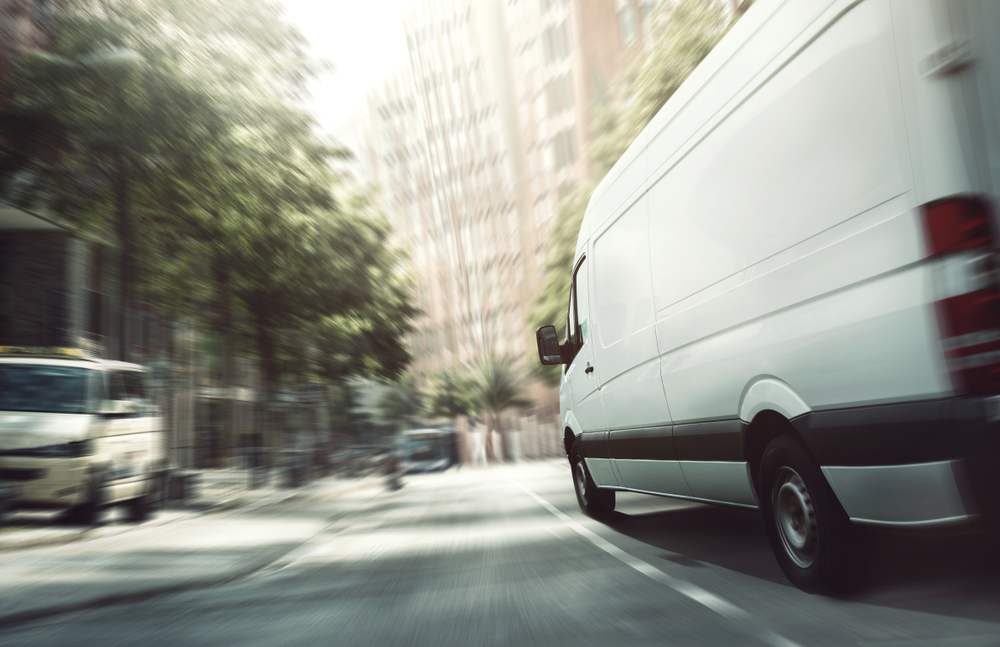
Executing a flawless delivery within New York City requires overcoming intense architectural and bureaucratic friction. Standard commercial parcel networks and generalized freight lines are fundamentally unequipped to handle these urban constraints.
High-Rise Buildings and Freight Elevator Restrictions
Manhattan’s vertical density presents immediate physical barriers. Many historic residential towers feature architectural bottlenecks, narrow corridors, and structural constraints. As well, low-hanging architectural entryways can easily compromise an oversized custom artwork crate.
Before dispatching an art shuttle, logistics coordinators must verify the physical parameters of the destination’s freight elevator. Many pre-war co-ops maintain strict internal dimensional limits and weight capacities that dictate the maximum size of a custom wooden crate.
Loading Dock Scheduling and COI Requirements
In New York real estate, access is strictly regulated. Commercial high-rises and luxury residential properties require a property-specific Certificate of Insurance (COI) before any vehicle enters a loading bay. A professional art moving company maintains a dedicated compliance team to issue these property-specific COIs matching exact building liability requirements. Handlers must also secure dedicated loading dock time slots, days in advance, as unscheduled arrivals face immediate turnarounds by building security.
Navigating Dense Urban Environments
Traffic congestion across the grid, tolling infrastructure, and strict commercial vehicle parking restrictions turn local art shipping into a complex routing problem. Vehicles cannot simply park on a Manhattan avenue to unload a delicate sculpture.
Logistics teams must map out dedicated stopping zones, coordinate escort handlers to monitor the vehicle, and use specialized handling equipment to move items safely across busy public sidewalks without exposing the inner contents to pedestrian traffic or sudden environmental fluctuations.
Limited Access and White-Glove Delivery Requirements
A true artwork delivery service must be calculated down to the final inch. Limited stairwell clearances, historic building restrictions, and fragile interior surfaces require specialized protective measures.
Handlers must arrive equipped with surface protection materials, non-marking handling equipment, and precise rigging tools if a large canvas or heavy sculpture must be carefully maneuvered through narrow entryways or historic architectural spaces.
Organizing an NYC Art Delivery?
Don’t let building restrictions, complex COI requirements, or scheduling bottlenecks delay your shipment. Our specialized New York logistics team provides true white-glove handling from port to penthouse.
Art Shipping NYC for Galleries, Auction Houses, and Collectors
Different market sectors face entirely distinct logistical pressures across the city.
- Galleries: For commercial galleries in Chelsea or the Upper East Side, speed, presentation, and seasonal art fair deadlines dictate the schedule. Art handling must be agile enough to pivot in response to sudden exhibition changes while maintaining strict museum standards.
- Auction Houses: Bidders acquiring pieces from major auctions require smooth, immediate collection. The handoff at a busy Manhattan auction house requires handlers to execute instant condition reporting and secure the piece before it enters the local transit grid.
- Collectors & Designers: Private individuals and interior designers bringing high-value pieces into historic co-ops or luxury penthouses prioritize structural safety, inside installation, and discretion above all else.
The Role of Professional Art Handlers in New York City
Because NYC’s physical environment is highly unforgiving, the human element is the main variable in reducing risk. Entrusting a high-value acquisition to unvetted staff exposes the asset to catastrophic handling failures.
Using experienced art handlers in New York City ensures that every phase of the relocation is managed by technical specialists. Professional art handling companies in NYC recruit technicians with deep knowledge of material science, structural engineering, and museum-grade conservation standards.
- Condition Reporting: Handlers execute exhaustive physical examinations at the point of collection, documenting the structural state of the medium. You can see how this safeguards your asset in our guide, What Is an Art Condition Report in Fine Art Shipping?.
- Packing & Engineering: Fine art requires customized stabilization environments. Whether using onsite packing or mobile packing services, handlers deploy specialized packing materials to isolate the piece from kinetic friction and ambient shifts. You can learn more about these packing systems in our detailed guide, Inside Custom Wooden Crates: What Protects Artwork During Local, Domestic, and International Shipping?
- Collection Management & Installation: Handlers don’t simply drop off a package. They manage the inside installation, adjusting placement based on structural wall capacities and specific lighting parameters.
How International Artwork Enters New York
For collectors and institutions acquiring assets from overseas galleries or European auction houses, New York serves as the primary gateway into the United States domestic market.
JFK as a Major Gateway for International Art Shipping
John F. Kennedy International Airport (JFK) processes a massive share of high-value cultural property entering the country. Managing arrivals at this high-volume cargo hub requires synchronization between the international carrier, customs authorities, and the ground handling team.
“JFK is an incredibly fast-moving logistics machine. If your paperwork contains even a minor technical error, your artwork won’t just get delayed; it sits in a high-volume, non-climate-controlled warehouse on the tarmac. Preventing that requires proactive customs brokerage long before the flight lands.” Brian Rees
Customs Clearance and Border Documentation
Every international asset valued over $2,500 entering JFK requires a formal entry filing. Licensed customs brokers must assign precise Harmonized Tariff Schedule (HTS) classifications to ensure shipments move through border checks legally and efficiently. This process requires rigorous documentation to preserve trade compliance.
We detail the exact paperwork protocols required for this phase in our comprehensive guide: First-Time International Art Buyer? Here’s How to Import Like a Pro.
Temporary Storage and Secure Staging
Upon clearing customs, artwork rarely moves directly into a Manhattan apartment or onto a gallery wall. It typically undergoes a holding phase, but standard airport warehouses lack the environmental controls needed to protect organic media such as wood panels or oil canvases.
Specialized transporters immediately transfer the cleared artwork crate from the tarmac to a dedicated art storage facility. That protective step shields the piece from sudden temperature shocks.
Related Reading: Clearing Customs: What Actually Happens to Your Artwork at the Border
Final-Mile Delivery Into Manhattan
The final leg of an international move relies on secure domestic art shipping networks. The asset is loaded into a specialized vehicle equipped with active tracking systems, ensuring the chain of custody in fine art shipping remains entirely unbroken from the airport tarmac to the final NYC destination.

Fine Art Shipping NYC: A Typical Project Timeline
To give collectors and advisors total visibility, professional New York art shipping projects follow a highly structured, repeatable operational timeline:
- Initial Consultation & COI Verification: Reviewing the artwork specifications and gathering destination building entry requirements.
- Site Assessment & Engineering Survey: Inspecting freight elevators, stairwells, and doorways at the delivery location.
- Strategic Packing & Crating: Selecting specialized buffering layers and building a custom wooden enclosure based on the asset medium.
- Building Approvals & Dock Scheduling: Submitting formal COI documents to building management and securing a dedicated loading slot.
- Tracked Transportation: Moving the asset via specialized vehicles monitored by a dedicated dispatch desk.
- Inside White-Glove Installation: Transporting the piece to the specific room, uncrating it, re-executing the condition report, and securing the installation.
“In New York City, an art handler must be as much a diplomat and a structural engineer as they are a logistics specialist. Balancing a multi-million dollar canvas while negotiating with a strict Manhattan co-op board requires a highly sophisticated operational mindset.” Brian Rees, CEO of Arrow Express
Example: Delivering a Large Framed Painting to a Manhattan Co-op
To visualize how these complex logistical layers come together, consider the real-world sequence required to deliver a large, fragile oil painting from a European collection to an Upper West Side co-op apartment:
- Collection Baseline: Handlers execute a thorough condition report at the origin gallery.
- Travel Frame Fabrication: Because the original ornate frame is physically delicate, handlers install a protective internal travel frame to absorb edge friction, a process detailed in our guide on how to ship framed artwork safely.
- Custom Crating: The stabilized painting is insulated and packed inside an ISPM-15 heat-treated custom wood crate.
- Building Compliance: Arrow’s compliance team coordinates with the Manhattan co-op board to secure COI approval and reserve the building’s sole freight elevator for a strict two-hour morning window.
- Urban Transit & Handoff: The specialized art shuttle navigates midtown traffic, arriving precisely at the scheduled dock time. Handlers shield the crate across the public sidewalk using protective weather wraps.
- Inside Installation: Handlers navigate the freight corridors, unpack the painting in the apartment, verify the destination baseline report, and professionally mount the piece to the collector’s reinforced gallery wall.
Choosing a Fine Art Shipping Company in New York
When analyzing the cost of shipping art, buyers are often tempted to review generalized freight services. This choice introduces extreme operational risk. Standard carriers treat an irreplaceable sculpture exactly like bulk industrial cargo, running it through automated sorting hubs that expose the fragile package to extreme kinetic stress.
Conversely, specialized art couriers in NYC and dedicated art transporters eliminate this exposure by maintaining absolute control over the physical environment, using bespoke systems designed by logistics engineers to absorb urban vibrations.
You can explore these critical operational differences in our analysis: Fine Art Shipping vs Standard Freight: What’s the Difference?
Why Planning Matters More than Distance
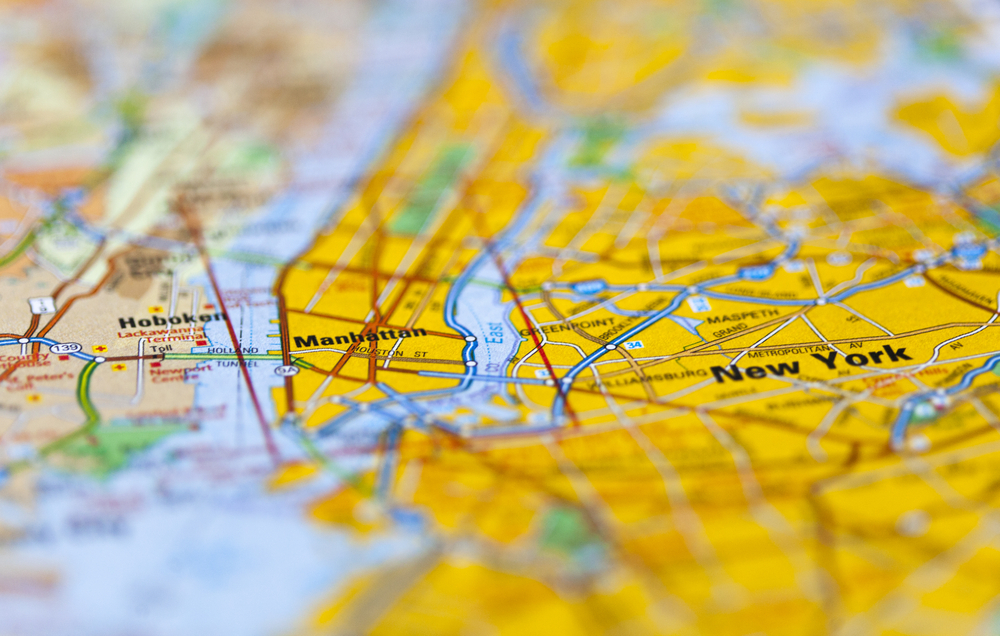
In the field of premium art shipping in NYC, mileage is a deceptive metric. Moving a fragile canvas three blocks across Midtown Manhattan at noon can introduce significantly more structural risk and logistical complexity than shipping a piece across hundreds of miles of open highway.
True white-glove transport is an exercise in meticulous project management. It requires thorough route surveys, proactive building clearings, engineered packing strategies, and constant communication between the dispatch desk, the field handlers, and the receiving gallery or residence. When you eliminate operational guesswork, you transform an unpredictable urban environment into a completely secure, controlled transit corridor.
Eliminate Logistical Friction from Your Next NYC Art Acquisition
The success of a New York art delivery is determined long before our vehicle arrives at the loading bay. Protecting a high-value canvas or structurally sensitive sculpture requires synchronization between customs brokerage at the port of entry, tailored engineering inside the packing envelope, and rigorous building compliance management.
Arrow Express replaces corporate anonymity and urban transit risk with absolute, single-point-of-contact accountability. Whether you’re collecting a major acquisition from a Chelsea gallery, managing an institutional loan transit, or coordinating an inside installation for a private Manhattan high-rise, our specialized handlers ensure your project is executed with clinical precision.
Frequently Asked Questions About Fine Art Shipping in NYC
Managing the intersection of complex customs regulations at JFK, strict Manhattan cooperative board policies, and the physical constraints of historic urban architecture can raise critical technical questions for collectors and institutions alike. Below are detailed, operationally focused answers to the most frequent inquiries regarding fine art shipping in New York City.
What is a building COI, and why is it mandatory for NYC art deliveries?
A Certificate of Insurance (COI) is a formal document proving that the logistics provider maintains sufficient liability coverage to protect the property against accidental structural damage during delivery. Most luxury Manhattan co-ops and commercial galleries will deny entry to any handler who cannot produce a property-specific COI before arrival.
How far in advance do I need to schedule an art delivery in Manhattan?
Due to building freight elevator restrictions, loading dock bottlenecks, and COI processing times, it is highly recommended to finalize your booking at least three to five business days in advance to secure the required property clearances.
Can you handle the delivery of oversized or framed artwork into historic buildings?
Yes. Our engineering team conducts pre-delivery site surveys to measure entryways and stairwells. For complex architectural spaces, we design custom crates and frames and deploy specialized rigging solutions to safely navigate tight pre-war building layouts. Learn more about protecting these specific formats in our article How to Ship Framed Artwork Safely.
How do you protect fragile artwork from New York’s extreme seasonal climate shifts?
We use vehicles equipped with environmental monitoring systems. Plus, our custom wooden crates utilize advanced thermal insulation and vapor barriers to protect delicate media from sudden temperature and humidity swings during the handoff process.
Predictable New York Art Logistics with Arrow Express
Navigating the architectural, regulatory, and physical realities of New York City requires absolute specialization. From coordinating complex building clearances in Manhattan to managing international customs arrivals at JFK, Arrow Express delivers rigorous, physics-backed protection for every asset.
Our dedicated team handles every phase of the process, including custom crate engineering, property COI management, communication with brokers, and expert white-glove installation. Protect the long-term value and security of your collection by partnering with a logistics provider built for urban complexity.
Article Sources
- Chubb Insurance, 2025. Tips for Protecting Fine Art and Jewelry in Transit. July 1st, 2022
- New York City Department of Transportation (NYC DOT). Parking a Truck or Commercial Vehicle. Accessed June 11th, 2026
- U.S. Customs and Border Protection (CBP). Filing a formal entry (for goods valued at $2500 or more). April 11th, 2025