


Key Takeaways
- Original artwork entering the United States is generally duty-free under HTS Chapter 97, provided it meets specific criteria and is accompanied by accurate documentation.
- Formal customs entry is required for any imported artwork valued over $2,500.
- Buyers often assume control of the shipping process (Ex Works) to ensure their preferred specialist handles the crating, export compliance, and insurance.
- Crates lacking the ISPM-15 heat-treatment stamp face immediate rejection at international borders.
Purchasing a piece of art from an overseas gallery or auction house introduces immediate logistical challenges. Moving an asset across an ocean requires strict regulatory compliance alongside physical protection.
When shipping art overseas, collectors must consider multiple variables that fall entirely outside of standard domestic freight operations. For first-time buyers, understanding the mechanics of international art shipping ensures the piece arrives safely without unexpected border delays.
This guide outlines exactly what happens after a purchase and explains how professionals manage the process.
International Art Shipping: What Happens After You Buy the Artwork?
The transition from a completed sale to secure delivery involves coordination between sellers, freight networks, and border authorities. Buyers must establish who is legally responsible for the artwork while it is in transit.
In many international transactions, the sale is executed under “Ex Works” (EXW) terms. Under EXW, the buyer assumes responsibility for the object the moment it leaves the seller’s premises. That means the buyer needs to arrange collection, secure export permits, and manage the final import. Buyers frequently prefer this arrangement because it allows them to select an experienced art logistics partner to manage the piece’s physical vulnerabilities.
Most collectors are permanently importing artwork into the United States after a purchase, but galleries and museums moving pieces for exhibitions often use ATA Carnets for temporary admission. You can read a detailed breakdown of this distinction in our guide: Clearing Customs: What Actually Happens to Your Artwork at the Border.

Importing Artwork Into the United States: Essential Documents
Accurate paperwork prevents border delays. Customs officers rely entirely on documentation to verify the nature, origin, and value of an import. To clear customs seamlessly, shipments must include:
- Commercial Invoice: A detailed record stating the purchase price, the creator, the date of creation, and the country of origin.
- Packing List: A structural breakdown of the crate’s contents, including exact dimensions and gross weights.
- Air Waybill (AWB) or Bill of Lading: The primary contract of carriage issued by the airline or ocean freight carrier.
- Specific Declarations: Additional permits are required for restricted materials. Artwork containing certain types of wood, bone, or shell requires clearance under the Convention on International Trade in Endangered Species of Wild Fauna and Flora (CITES).
“Many first-time buyers assume customs holds are caused by physical inspections. The reality is that minor discrepancies on a commercial invoice cause the vast majority of border delays. Precision in the paperwork is equally as critical as precision in the crate.” Brian Rees, CEO of Arrow Express
Art Customs Clearance Explained
Importing artwork into the United States benefits from favorable trade classifications. Under Chapter 97 of the Harmonized Tariff Schedule (HTS), original paintings, drawings, and sculptures enter the US duty-free.
However, duty-free status does not mean the shipment bypasses customs protocols. Any shipment valued over $2,500 requires a Formal Entry. This process involves submitting structured data to US Customs and Border Protection (CBP). Even when zero duty is owed, importers must pay the Merchandise Processing Fee (MPF), which is calculated as 0.3464% of the artwork’s value. CBP currently caps the maximum MPF at $614.35 per formal entry.
What Does a Customs Broker Actually Do?
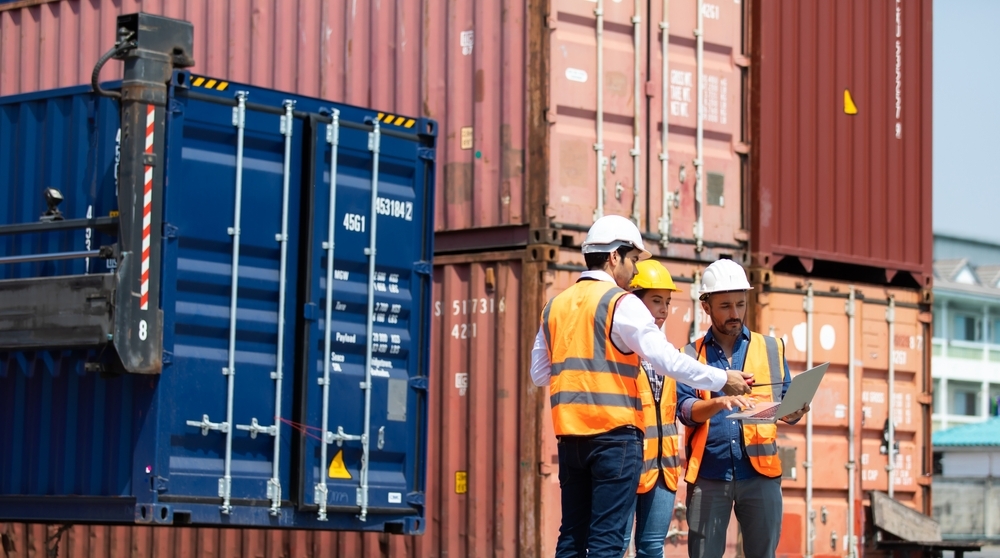
First-time buyers often wonder if they need to hire a broker directly. In professional art logistics, your art shipping partner coordinates this on your behalf. A licensed customs broker files the formal entry with CBP, assigns the correct HTS codes, and calculates applicable fees. They act as the direct liaison with customs officials, resolving any administrative holds to ensure the art customs clearance process proceeds without interrupting the transit schedule.
Buying Artwork From Overseas? All international art shipping involves customs clearance, crating requirements, art shipping insurance, and transportation planning. Our team can review the artwork before collection and identify potential issues before they become delays.
How Is Artwork Insured During International Shipping?
A primary concern for new collectors is understanding liability. Seller’s insurance typically ends the moment the artwork is collected from the gallery or auction house. Relying on standard carrier liability is a critical error; these policies pay out based on the cargo’s gross weight, not the value of the art.
Proper art transit insurance is based directly on the commercial invoice value. To secure this coverage, underwriters generally require the piece to be professionally packed and crated. Additionally, insurance policies rely on documented condition checks. Establishing a baseline condition before transit ensures that, if an issue arises, liability is clear.
You can learn exactly how these documents support insurance claims in our guide: What Is a Condition Report in Fine Art Shipping?.
Maintaining Chain of Custody Throughout the Shipment
For collectors investing heavily in overseas acquisitions, knowing exactly who possesses the artwork at any given moment is paramount. Specialist art shippers maintain a strict chain of custody to reduce risk.
That process involves the collection of signatures at the gallery, documented warehouse transfers, monitored customs handoffs, and final delivery verification. Condition checks are performed at key transfer stages to verify the integrity of the crate.
How Artwork Is Protected During Overseas Shipping
Physical distance introduces cumulative vibration and temperature risks. Artwork must be structurally isolated before it ever leaves the country of origin.
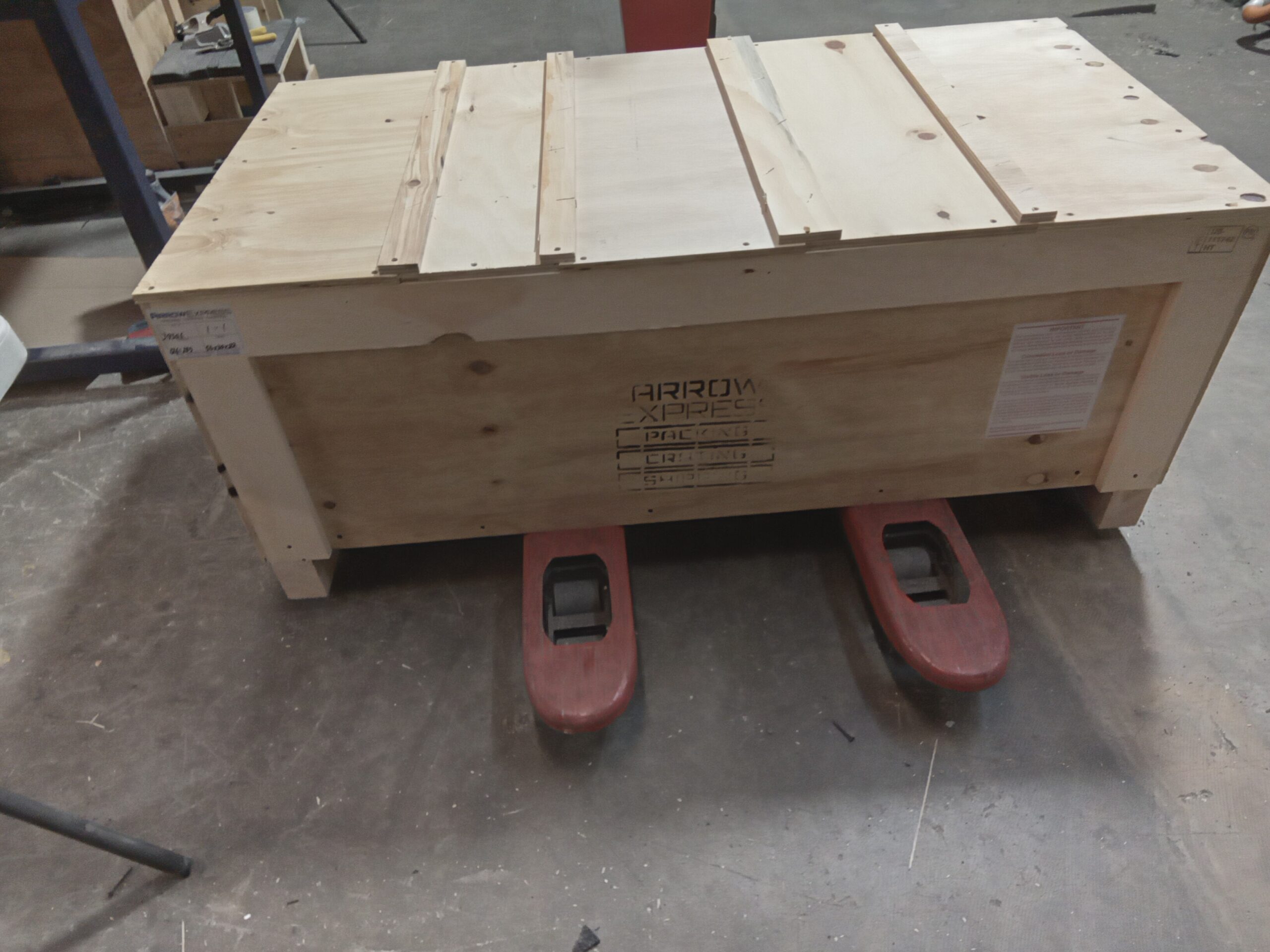
Standard cardboard or soft-packing fails to absorb the kinetic energy generated during air transit. Professional handlers rely on custom crating to neutralize these forces. Engineers design wooden structures with internal suspension systems matched to the precise weight of each piece. You can see exactly how these materials are layered in our breakdown of what’s inside custom wooden crates.
“If a crate arrives at a US port and lacks the ISPM-15 international heat-treatment stamp, Customs will mandate the immediate export or destruction of that crate. Sourcing globally compliant packing materials before transit is an absolute requirement.” Brian Rees
Common Reasons International Art Shipments Get Delayed
Border delays occur when preparation fails to align with regulatory reality. Incomplete commercial invoices consistently trigger holds. If an invoice vaguely describes an item as “Art” without listing the medium or the artist’s name, CBP will halt the shipment to verify that the object does not contain restricted materials.
Another frequent cause of delay involves improper valuation. Declaring a value lower than the actual purchase price to circumvent the MPF cap violates federal regulations. Officers routinely cross-reference declared values with auction records or gallery listings.
Many customs delays can be traced back to missing information or unclear expectations between stakeholders. That’s one reason why communication plays such an important role in successful logistics planning.
Learn more in our article: Why Communication Is the Secret Ingredient in White-Glove Shipping.

How Much Does It Cost to Import Artwork?
Evaluating the cost of importing artwork requires looking past the basic freight rate. The final logistical expense encompasses multiple, distinct phases of the journey.
Buyers should budget for origin collection, export packing fees, air or ocean freight charges based on the crate’s dimensional weight, customs brokerage fees, the MPF charge, and comprehensive transit insurance.
We break down these specific line items in our cost analysis: Cost of Shipping Art: What It Really Costs to Ship a Painting.
What to Expect When Your Artwork Arrives
The logistics process does not end when the crate clears customs. First-time buyers must plan for the physical reality of the delivery.
International crates are large, heavy, and typically arrive secured to a pallet. If you simply request standard freight delivery, the crate will be dropped curbside. Specialist logistics include full-service delivery, where a team of professional art handlers brings the crate inside, opens the secure casing, removes the packing materials, and allows you to inspect the artwork immediately for any signs of transit stress. This final stage is often handled through dedicated domestic shipping networks.
Why Art Logistics for Collectors Differs from Standard Freight
Standard freight systems are designed for mass commercial goods. Shipping a fragile, irreplaceable asset through those shared networks exposes the piece to excessive handling and uncontrolled environments.
Specialist art shippers maintain strict control over the entire supply chain. They manage the initial packing, coordinate the export clearance, navigate the import regulations, and deploy the right vehicles for the final mile. By utilizing dedicated international fine art shipping services, collectors ensure their acquisitions are managed by engineers and compliance experts rather than general freight operators.
Related Reading: Fine Art Shipping vs Standard Freight: What’s the Difference (and Which Do You Actually Need?)
Example: Importing a Painting from London to New York
Understanding the sequence of events clarifies the process. Here’s how a typical international acquisition moves from a European gallery to a US collector:
- Purchase: The gallery confirms the sale under EXW terms.
- Assessment: A condition report is completed at the gallery.
- Preparation: The artwork is packed and collected by the specialist shipper.
- Export: Export documentation is filed with UK authorities.
- Transit: The ISPM-15 crate is loaded onto a direct air freight flight to JFK.
- Clearance: A customs broker files the formal entry with CBP.
- Duties: The MPF is calculated and paid.
- Release: The artwork clears customs and is transferred to a specialized art shuttle.
- Delivery: Handlers deliver, uncrate, and inspect the painting at the collector’s residence.
Frequently Asked Questions About Importing Artwork
International art shipping involves customs regulations, insurance requirements, transit timelines, and documentation obligations that can feel overwhelming to first-time buyers. Below are answers to some of the most common questions we receive from collectors importing artwork into the United States.
Do I have to pay import duty on original art entering the US?
Original paintings, drawings, and sculptures are generally classified as duty-free under HTS Chapter 97. Importers are still responsible for the Merchandise Processing Fee (MPF) on shipments valued over $2,500.
How long does shipping art overseas take?
Air freight shipments typically take between five and ten business days from origin collection to final delivery. Ocean freight timelines range from 3 to 6 weeks, depending on the routing schedule.
What is the best way to transport paintings internationally?
The safest method is utilizing a custom-engineered, ISPM-15-compliant custom wooden crate shipped via direct air freight. This approach minimizes transit time while providing maximum structural protection.
Can I import artwork into the United States myself?
Technically, yes. However, any shipment valued over $2,500 requires a formal customs entry and additional documentation. Most collectors work with specialist art logistics providers who coordinate customs brokers, shipping documentation, insurance, and final delivery to reduce the risk of delays.
What information do I need before requesting an international art shipping quote?
To receive an accurate quote, you should provide the artwork’s dimensions, medium, value, pickup location, destination address, and any deadlines associated with the shipment. Photographs of the artwork and frame can also help determine whether custom crating or additional handling measures are required.
Predictable International Shipping with Arrow Express
The success of international art shipping is determined long before the crate reaches the airport. Documentation must be accurate, customs requirements must be understood, and packing systems must be engineered for the specific artwork and route.
When those elements are coordinated correctly, international shipping becomes predictable.
Arrow Express manages every stage of the process, from collection and custom crating through customs clearance coordination and final delivery. Whether you’re purchasing a single painting from London or importing an entire collection from overseas, our team can help you avoid delays, reduce risk, and protect the long-term value of your acquisition.
Article Sources
- Investopedia. Ex Works (EXW): Ex Works (EXW): Definition, Pros and Cons, Plus More Incoterms. May 23rd, 2026
- US Customs and Border Protection (CBP). Importing personal and commercial original works of art. February 27th, 2026
- US International Trade Commission. Harmonized Tariff Schedule of the United States (HTS) – Chapter 97. Accessed June 10th, 2026
- Convention on International Trade in Endangered Species of Wild Fauna and Flora (CITES). Checklist of CITES Species. Accessed June 10th, 2026