


New York City is home to one of the world’s busiest fine art markets. Galleries, auction houses, museums, interior designers, and private collectors regularly move artwork between studios, storage facilities, exhibitions, and private residences. As a result, there is no shortage of fine art shipping companies in NYC offering transportation, packing, storage, and installation services.
The challenge is knowing how to evaluate them properly.
At first glance, many fine art shippers appear to offer similar services. Most mention custom crating, white-glove delivery, or specialist handling. However, the way these services are delivered can vary significantly between providers. Differences in communication, packing standards, crate construction, handling experience, and logistics planning all affect how safely artwork moves from one location to another.
Choosing the right fine art shipping company is not simply about finding the biggest name or the lowest quote. It’s about understanding how your artwork will be protected throughout the shipping process and whether the provider has the experience and systems needed to manage the specific risks involved.
This guide explains what to look for when comparing fine art shipping companies in NYC, the questions to ask before you book, and the signs that set specialist art logistics providers apart from standard freight operations.
What Makes a Great Fine Art Shipping Company?

The best fine art shipping companies combine logistics expertise with a deep understanding of how fragile and high-value objects behave during handling and transport. While services vary between providers, some core qualities consistently define professional fine art shippers.
Specialized Handling Experience
Artwork requires different handling methods than general freight. Paintings, sculptures, antiques, and mixed-media works all respond differently to vibration, lifting pressure, and movement during transit. Experienced fine art shippers know how to move these objects safely without placing stress on vulnerable areas.
Related Reading: What Is Specialty Freight? Shipping Fragile and Oversized Items Safely
Custom Crating and Packing Services
Protection begins before the shipment moves. Professional art logistics companies assess the artwork and design packing systems around the specific piece rather than relying on generic packaging. This may include custom crating, archival packing materials, internal stabilization, and protective barriers that prevent abrasion or shifting during transport.
Related Reading: Inside Custom Wooden Crates: What Protects Artwork During Local, Domestic, and International Shipping?
Clear Communication and Coordination
Fine art shipping often involves multiple parties, including galleries, collectors, auction houses, storage facilities, and installers. Reliable communication is essential for coordinating schedules, access requirements, and delivery conditions. Delays or unclear updates can quickly create logistical problems during time-sensitive projects.
Flexible Logistics Planning
Every shipment presents different challenges. Some artworks require careful navigation through narrow stairwells, while others involve long-distance transport or complex delivery schedules. A strong fine art shipping company adapts its planning process to the artwork, location, and timeline rather than forcing every shipment into a standard workflow.
Related Reading: Fine Art Shipping vs Standard Freight: What’s the Difference (and Which Do You Actually Need?)
Questions to Ask Before Hiring Fine Art Shippers

Comparing fine art shipping companies becomes much easier when you know the right questions to ask. These conversations often reveal how much care, planning, and expertise actually go into the service.
Do You Build Custom Crates In-House?
Some providers fabricate crates internally, while others outsource them or rely on standardized solutions. In-house custom crating typically offers greater control over materials, construction quality, and turnaround times.
How Will the Artwork Be Packed and Stabilized?
Ask how the artwork will be protected during transit. Professional fine art shippers should be able to explain how they prevent movement, surface contact, and pressure-related damage.
Who Will Handle the Artwork?
Not every logistics company uses trained art handlers. Understanding who is physically moving the artwork and how they approach handling provides valuable insight into the level of care involved.
How Will the Artwork Be Packed and Stabilized?
Communication standards matter. Ask how updates are provided, who your point of contact will be, and how delivery schedules are managed if plans change.
What Types of Clients Do You Typically Work With?
Some fine art shipping companies focus primarily on museums and institutional collections, while others specialize in galleries, interior designers, private collectors, or auction houses. Understanding their typical projects helps determine whether their services align with your needs.
Related Reading: Gallery Shipping and Auction Shippers: When to Reevaluate Your Transport Provider
Red Flags to Watch for When Comparing Fine Art Shipping Companies
Not every provider offering fine art transportation services operates at the same standard. While websites and marketing materials may look impressive, certain warning signs can indicate a lack of specialization or preparation.
Vague Information About Packing and Crating
If a company provides little detail about how artwork is packed, stabilized, or protected, it may suggest that packing methods are standardized rather than tailored to the shipment.
No Clear Focus on Fine Art Logistics
Some companies offer art shipping as one small part of a broader freight operation. That does not automatically mean the service is poor, but it is worth understanding whether fine art logistics is truly a core specialization.
Limited Communication or Slow Responses
Fine art shipping often operates on strict schedules involving galleries, exhibitions, and private deliveries. Delayed communication early in the process may become a larger issue once the shipment is underway.
Boutique Fine Art Shippers vs Large Logistics Providers
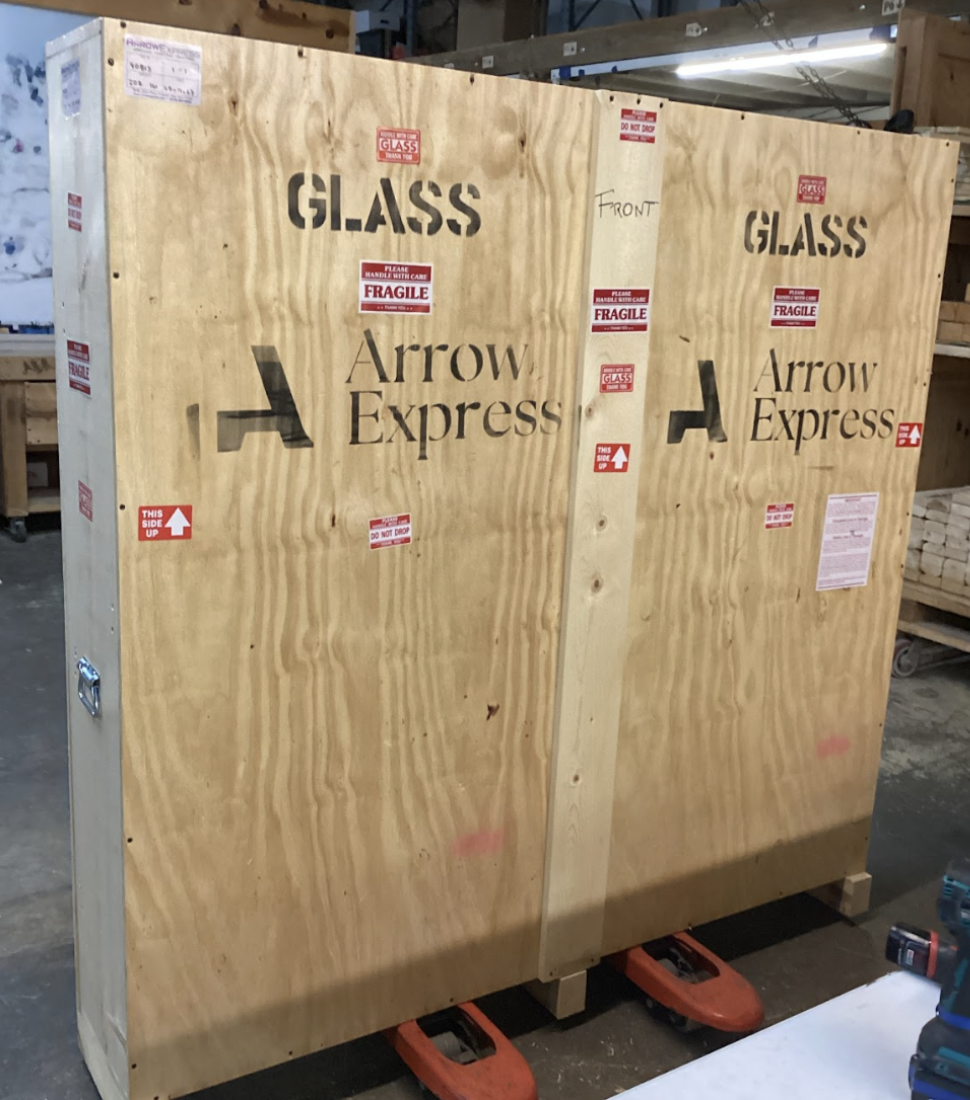
One of the biggest decisions clients face is choosing between a boutique fine art shipping company and a larger logistics provider.
Boutique fine art shippers often focus on highly personalized service, direct communication, and flexible handling. Clients may work closely with the same team throughout the process, which can simplify coordination and create a more tailored experience for complex shipments.
Larger logistics companies may offer extensive storage networks, international infrastructure, and broader transportation capacity. These providers are often well-suited to large-scale institutional projects or global shipping programs involving multiple locations.
Neither model is automatically better than the other. The right choice depends on the complexity of the shipment, the level of coordination required, and the level of hands-on support the client expects throughout the process.
What Services Should Fine Art Shipping Companies Offer?
Most professional fine art shipping companies in NYC offer a combination of logistics and support services designed specifically for artwork and collectibles.
These services often include:
- Custom crating and museum-quality packing
- White-glove pickup and delivery
- Fine art transportation services
- Installation and deinstallation support
- Condition reporting
- Storage solutions
- International art shipping coordination
- Artwork handling for galleries, fairs, and auctions.
The key difference is not whether these services appear on the website, but how they are executed in practice. A professional provider should be able to explain its process clearly and tailor its approach to the needs of the artwork.
How the Quote Process Reflects the Quality of Service
The quote process often reveals a great deal about how a fine art shipping company operates.
Some providers use short forms and quick consultations to begin the assessment process, while others gather more detailed shipment information upfront to understand handling requirements before preparing a tailored estimate.
Neither approach is inherently wrong, but the experience should feel organized, transparent, and responsive. A well-structured quote process demonstrates that the company understands the logistical and handling requirements involved in fine art transportation.
For clients shipping valuable artwork, the goal is to understand how the artwork will be protected throughout the journey.
FAQ: Choosing Fine Art Shipping Companies in NYC
Finding the right fine art shipping company often comes down to understanding how different providers approach handling, packing, and logistics. The questions below cover some of the most common concerns when comparing fine art shippers in New York.
What should I look for in fine art shipping companies?
Look for experience handling artwork, custom crating capabilities, clear communication, and specialized packing methods designed for fragile or high-value items.
Are fine art shippers different from standard freight companies?
Yes. Fine art shippers focus on preparation, handling, and protection specifically for artwork and collectibles, while standard freight systems are designed for general cargo and commercial goods.
Do fine art shipping companies offer custom crating?
Most professional fine art shipping companies offer custom crating services designed around the size, weight, and fragility of the artwork being transported.
How much does fine art shipping cost in NYC?
Costs vary depending on the artwork, packing requirements, travel distance, access conditions, and whether custom crating or installation services are required.
Can fine art shipping companies handle international shipments?
Many international fine art shipping companies coordinate customs documentation, packing, crating, and transportation for cross-border shipments involving galleries, collectors, and exhibitions.
Choose a Fine Art Shipping Company That Fits Your Artwork and Your Needs
The best fine art shipping companies do more than move artwork from one location to another. They create systems that reduce handling risks, stabilize fragile pieces, and coordinate every stage of the shipment with care and precision.
Whether you’re moving artwork across NYC or coordinating an international art shipment, choosing the right provider starts with understanding how your artwork will actually be protected throughout the journey.
If you’re planning a shipment and need guidance on packing, crating, or transportation, our team can help you evaluate the safest approach for your artwork.