


Shipping artwork is very different from sending a regular parcel. Paintings, sculptures, antiques, and collectibles react to pressure, temperature, vibration, and handling in ways most items never do. They can be fragile, high-value, and one of a kind. When something goes wrong, there’s no replacement. That’s why fine art shipping services exist as a specialist field with its own methods, materials, and trained professionals.
Arrow Express has spent more than twenty years moving artwork for galleries, collectors, estates, designers, and institutions. This guide brings together the essential knowledge you need to protect artwork in transit. Whether you’re shipping a framed painting to a buyer, moving a sculpture across the country, or handling a large gallery consignment, these are the professional standards that keep artwork safe.
Understanding What Makes Fine Art Shipping Different
Fine art shipping deals with objects that have unique needs. Fragile surfaces, sensitive materials, delicate frames, complex shapes, and historical value all demand a different mindset from standard freight. Art does not tolerate shortcuts.
Protective materials must be chosen with precision. Handlers must be trained to avoid contact with vulnerable points. Transport planning must account for temperature and humidity exposure throughout the journey. Routes must avoid unnecessary transfers.
Most shipping companies are built for speed and volume. Fine art shipping companies are built for control. Every stage of the journey is planned to prevent movement, shock, or environmental stress. That level of protection is the difference between a successful delivery and a damaged piece.
The Core Principles of Shipping Artwork Safely
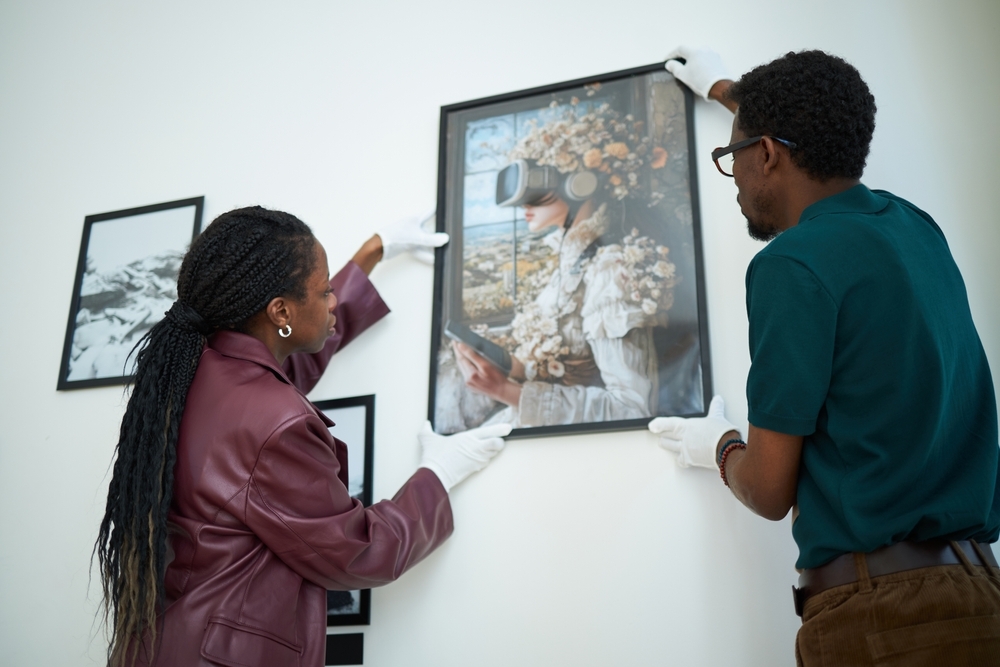
Professional art logistics follows a set of principles designed to reduce risk and preserve the condition of each piece.
Know the Artwork
Before anything happens, the piece must be assessed. Medium, age, surface type, frame structure, size, weight, and installation hardware all influence how it should be packed.
Control the Environment
Artwork reacts to temperature swings and humidity changes. Stable conditions reduce the risk of cracking, warping, and condensation.
Minimize Movement
Movement inside a crate is one of the leading causes of damage. The aim is to stabilize the piece so it cannot shift, tilt, or vibrate in transit.
Use Specialized Materials
Museum-grade wrap, acid-free paper, foam, and soft internal supports protect against abrasion and pressure. The right packaging materials keep the priceless protected.
Document the Condition
Condition reporting establishes the exact state of the artwork before transport. It protects the owner, the buyer, and the shipping company.
Bring in Trained Professionals
Fine art shipping is a skilled trade. There’s a method to every step, and experience matters.
How to Pack Artwork for Safe Shipping
Packing is the foundation of safe transport. When done correctly, it protects the artwork from impact, compression, vibration, and environmental changes.
Start with an Assessment
Look at the artwork closely before you choose materials. Identify delicate areas, such as loose pigment, raised brushwork, cracked frames, or fragile edges.
Select the Right Materials
Professional materials make a significant difference. Soft wrap protects surfaces. Acid-free paper prevents chemical reactions. Foam creates cushioning without transferring pressure. Plastic sheeting forms a moisture barrier when required.
Protect the Surface First
Nothing should touch the artwork directly unless it’s designed for surface protection. Even soft fabrics can leave impressions. Specialist wrap avoids friction and abrasion.
Wrap and Support the Piece
A good wrap creates a buffer between the artwork and the crate. Corners and raised elements often need extra support.
Stabilize Inside the Crate
The artwork must not shift inside its container. Professional handlers use custom internal supports, rigid foam, or tailored braces to keep the piece secure.
Seal, Secure, and Label
A crate must close firmly and stay shut. Each panel, latch, and screw is checked before loading. The crate is then labelled with orientation indicators and handling instructions.
Record the Condition
Photographs and written notes form a record of the artwork before it leaves. That documentation supports specialist insurance and ensures transparency throughout the journey.
Why Custom Crating Matters in Fine Art Shipping

A custom crate is often the safest way to ship artwork. Professional crates are built for strength, stability, and precision. Each one is measured to the millimetre, so the artwork fits without stress or excess space.
A well-built crate includes:
- Internal cushioning that protects fragile frames and corners
- Rigid structure that resists compression
- Bracing that minimises vibration
- Moisture barriers when required
- Secure fastenings that prevent accidental opening
- Custom-cut foam or supports tailored to the artwork.
Off-the-shelf packaging cannot offer the same protection. Standard boxes allow movement. Materials may not be safe for long-term contact. Moisture and temperature changes can affect the artwork.
A custom crate controls these variables and reduces risk significantly.
Choosing the Right Art Shipping Company
A reliable art shipping company combines training, materials, systems, and experience. When assessing your options, look for the following:
Experienced Handlers
Art logistics requires specialized training. Handlers learn how to lift, wrap, position, and secure artwork without creating stress points.
Fine Art Vehicles
Climate awareness, secure strapping systems, and controlled vehicle environments support stable conditions during transit.
Clear Communication
Clients should know when the artwork is collected, how it will travel, and when it will arrive. Transparency builds trust.
Understanding of Risk
Professional art shipping companies make decisions that protect the piece throughout its journey. That includes route planning, controlled transfers, and secure loading.
Reputation and Reliability
The art world depends on trust. Choose a company with proven experience in handling valuable works and complex shipments.
Arrow Express has worked with galleries, collectors, estates, designers, and institutions for more than two decades. That experience shapes every decision we make.
What Happens During Fine Art Transport?
Transport is often the most critical stage of the shipping journey. Artwork must be protected from sudden stops, vibration, temperature shifts, and handling errors.
Collection and Loading
Handlers collect the piece from its location and prepare it for secure vehicle placement. Every movement is deliberate and controlled.
Vehicle Environment
Fine art transport relies on controlled vehicle environments that support stable conditions while professional packing and crating absorb movement encountered on the road.
Securing the Artwork
Custom crates and packages are positioned to avoid shifting. Straps, blocks, and padding create a stable arrangement for the journey.
Route Planning
Professional drivers follow routes that minimize traffic, rough roads, and unnecessary stops. The aim is to keep the journey steady and predictable.
Final Delivery
On arrival, the artwork is handled with the same care used at collection. The client receives the piece in the condition recorded before transport.
Temperature, Humidity, and Environmental Control
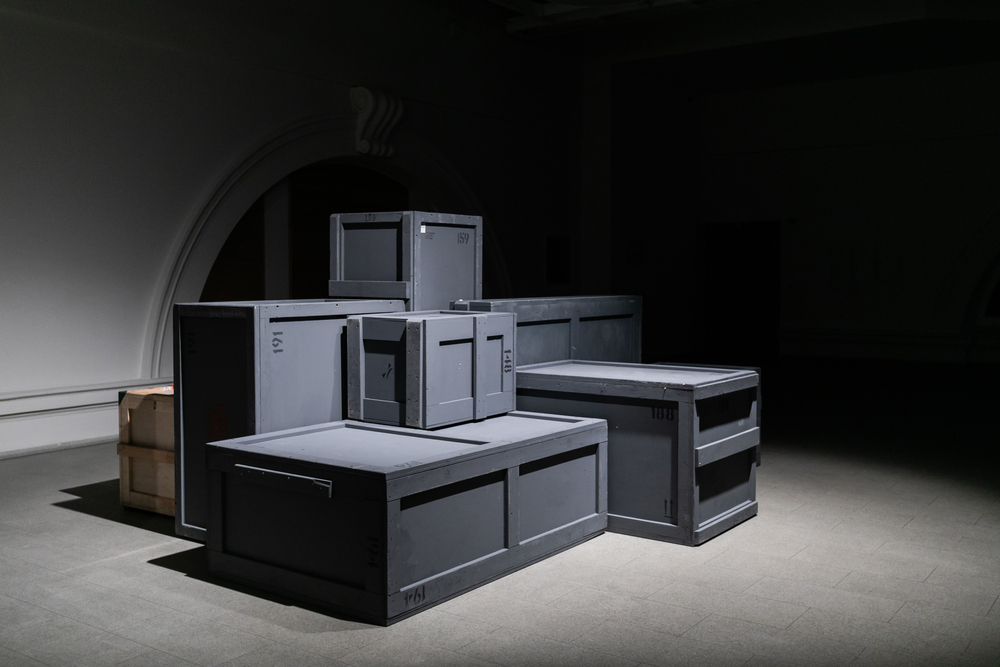
Artwork is vulnerable to environmental changes. Temperature fluctuations can cause cracking, warping, or separation of materials. Humidity swings can lead to mould growth, trapped moisture, and surface distortion.
Fine art transport planning accounts for environmental exposure throughout the journey, using insulated cargo spaces and appropriate packing methods to limit sudden changes. Insulation, controlled airflow, and sealed compartments work together to maintain stability. Combined, these features reduce the risk of damage caused by environmental stress.
Insurance and Documentation for Artwork Shipping
Shipping insurance provides financial protection, but documentation protects clarity. A condition report is one of the most important steps in the process. It records the artwork’s state before transport and offers proof of condition at every handover.
Additional documentation may include:
- Photographs from every angle
- Detailed material notes
- Measurements
- Packing records
- Proof of collection
- Proof of delivery.
These records build transparency for owners, buyers, insurers, and artists.
Common Mistakes to Avoid When Shipping Artwork
Several recurring mistakes lead to avoidable damage. The most frequent include:
- Using standard couriers without professional preparation and packing
- Packing artwork with household materials
- Leaving movement inside the crate
- Ignoring frame weaknesses and fragile corners
- Skipping climate control during transport
- Failing to document the condition before shipment
- Underestimating the sensitivity of the materials.
Avoiding these mistakes significantly increases the chance of a safe delivery.
When You Should Work with a Specialist Fine Art Shipping Company
Some pieces require trained professionals. These include:
- Fragile paintings with textured surfaces
- Artwork with delicate frames or glazing
- Large or heavy items that need custom handling
- Sculptures with protruding elements
- Collections with high value or historical importance
- Multi-piece gallery shipments
- Items sensitive to temperature or humidity.
If the artwork cannot be replaced, specialist shipping is the safest option.
How Arrow Express Ensures Artwork Is Shipped Safely
Arrow Express has built a reputation on consistency and care. Our methods are grounded in more than twenty years of experience in fine art shipping and art logistics. We work with trained handlers, custom materials, and carefully controlled environments. Each piece receives a tailored approach that reflects its needs.
Our process includes:
- Detailed assessment of every artwork
- Museum-grade packing and wrap
- Custom-built crates measured precisely
- Climate-controlled vehicles
- Secure loading and placement
- Transparent communication from start to finish
- Documented chain of custody
- Careful delivery that mirrors the precision of collection
Our clients trust us because we maintain high standards and take the time to do each step correctly.
A Final Word on Protecting Artwork in Transit
Artwork deserves more than a generic shipping label. It deserves trained hands, professional materials, and the kind of care that only comes from experience. Fine art shipping is a specialized craft, and correct methods make all the difference. With the right preparation and the right team, shipping artwork safely becomes a controlled, predictable process.
If you need support from an experienced art shipping company, the Arrow Express team is ready to help. We’re here to ensure your artwork travels safely and arrives in its true condition.
Your artwork deserves a team that treats every shipment with precision, care, and calm confidence. If you want the safest, most reliable way to move your piece, our specialists are ready to guide you.
Article Sources
- Artwork Archive. Why You Need Acid-Free Paper. April 12th, 2021
- National Gallery. Paintings and Their Environment. December 15th, 2011