


A gallery lives or dies by its reputation. Every piece you present has a story, and the way it travels becomes part of that story. A single scratch, a loose frame, or a missed delivery window can disrupt an exhibition, disappoint a client, or damage a relationship that took years to build. That’s why galleries and auction houses rely on transport partners who understand the responsibility they carry each time they move a piece.
Choosing a trusted art transport partner is one of the most important operational decisions a gallery can make. The right shipper protects your artwork, your schedule, and your client relationships.
This guide outlines what galleries should expect from professional art handling companies and offers a clear path to choosing a partner who will support your work with consistency and care.
Why Galleries Need the Right Transport Partner

Artwork is sensitive to movement, pressure, temperature, and time. A standard courier is built to handle packages, but a gallery’s concerns are very different. Original artwork requires trained handling, secure wrapping, predictable routing, and climate awareness. These needs become even more critical for exhibitions, art fairs, client viewings, and auction transfers.
A professional art transport partner understands when direct handling is required and when artwork can safely move through standard courier networks after proper preparation and packing.
A trusted art transport partner acts as an extension of your gallery. Their methods reflect your standards. Their staff becomes part of your client experience. When the partnership is strong, the gallery gains stability and confidence in every move.
Related Reading: A Comprehensive Guide On How To Ship Fine Art
What Professional Art Transport Involves
Professional art transport is a specialized practice shaped by conservation principles and fine art logistics. It asks for a lot more than the ability to lift and carry. It begins with an understanding of what makes artwork fragile and continues through a series of controlled steps that protect the piece from beginning to end.
Art Assessment Pre-Transport
Every shipment starts with a careful evaluation. Handlers assess the artwork’s structure, weight distribution, surface sensitivity, and framing. This assessment determines how the piece should be wrapped, supported, and positioned. Archival paper, soft wrapping materials, and custom braces are used to protect surfaces and delicate edges.
Customized Crates and Packing
For many pieces, a custom crate provides the safest environment. A crate that fits precisely reduces vibration and movement while offering strong protection against compression.
Fine art transport vehicles support professionally built crates by providing a clean, enclosed space that allows packing and stabilization systems to perform as intended. When preparation is done correctly, internal supports, archival materials, and crate design protect artwork from movement and environmental exposure throughout the journey.
Related Reading: Custom Crating: The Art of Protecting Your Masterpiece
Clear Communication
Communication is another essential, yet underappreciated, component of professional art handling. Galleries depend on predictable collections, accurate delivery times, and clear updates. When questions arise, they should be answered by someone who understands the artwork and the process that protects it.
Together, these practices ensure that the piece arrives exactly as it left.
The Risks of Choosing the Wrong Shipper
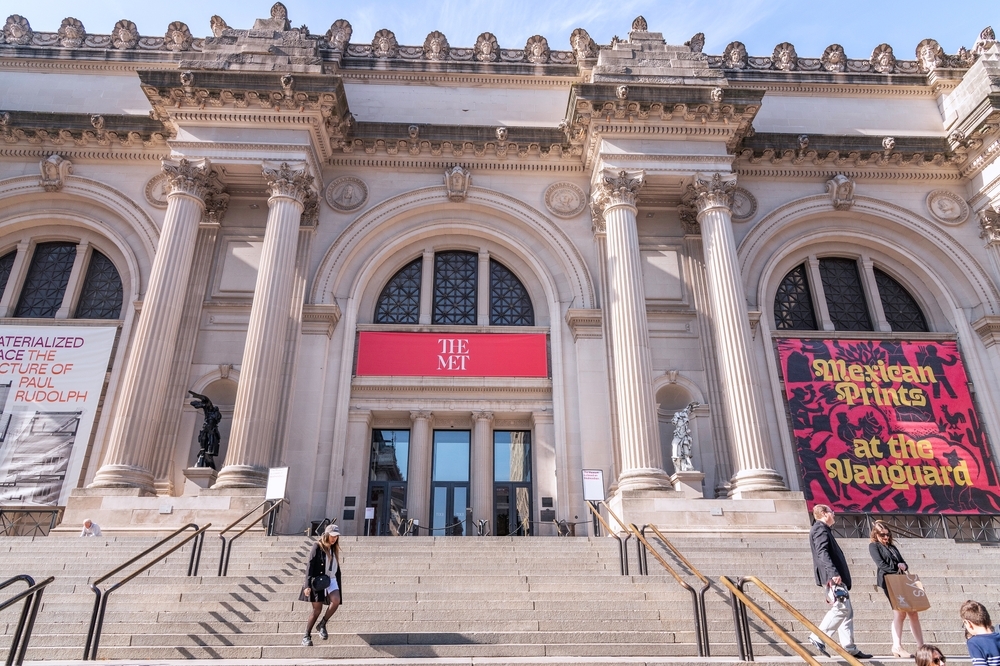
Galleries often start searching for transport partners after a bad experience. Many companies advertise art handling but lack the training or equipment required for gallery-level care. These gaps become visible when something goes wrong.
- Rushed handling places stress on frames and joints
- Incorrect wrapping can cause abrasion or discoloration
- Artwork may be exposed to high temperatures inside a truck if climate control isn’t used
- Lack of documentation can complicate insurance claims
- Shared loads in general freight environments increase the chance of contact or shifting
- Missed delivery windows can interfere with preview days, openings, or client viewings
These risks are avoidable when a gallery works with a partner who understands the stakes.
How to Evaluate Art Handling Companies
Galleries need a clear method for assessing which art handling companies meet the standards of professional fine art shipping. The following criteria provide a reliable framework.
Training and Experience
Artwork requires hands that move with intention. Experienced handlers understand how to lift, support, and secure works based on their material, age, and structure. They know how to avoid pressure on fragile frames and how to position pieces in ways that maintain stability. A gallery should feel confident that every person touching the artwork has the right training for the job.
Packing and Crating Capabilities
A professional art transport partner should be prepared to protect artwork with archival packing materials and custom solutions. This includes safe wrap, protective layering, internal supports, and custom-built crates for pieces that need stronger stability. A customized crate measured with precision is one of the most effective tools for safe gallery shipping.
Environmental Awareness During Transport
Temperature and humidity affect paintings, works on paper, and mixed media. Professional art transport planning accounts for this sensitivity through preparation, packing methods, and route management designed to limit sudden environmental exposure. Insulated cargo spaces and controlled handling help reduce rapid changes as artwork moves between locations.
Chain of Custody and Transparency
A trusted partner minimizes handovers and documents at every step. Galleries should receive clear pickup windows, delivery times, and updates. When artwork is in transit, the gallery should know where it is and who is responsible for it. A high level of transparency reduces risk and builds trust.
Insurance and Liability Coverage
Galleries deal with work that carries financial, emotional, and cultural value. Insurance coverage must reflect this. A transport partner should offer policies that support high-value, original artwork with terms that match the real risks involved.
Local Knowledge and Urban Navigation
Galleries in cities like New York face unique challenges. Tight stairways, narrow hallways, strict loading zones, and limited receiving hours all shape how art movers must navigate. An NYC-based art mover understands building requirements, COIs (Certificate of Insurance), timing restrictions, and the rhythm of the city. That familiarity prevents delays and protects artwork during every move.
Communication and Reliability
Galleries depend on accurate schedules. A trusted partner communicates clearly, respects deadlines, and responds quickly to questions. Reliability becomes even more important during installation days, gallery openings, and auction transfers, where the timeline cannot shift.
Related Reading: The Importance of Custom Crating for Safe, Stress-Free Shipping
What Galleries Should Expect from a Trusted Art Transport Partner
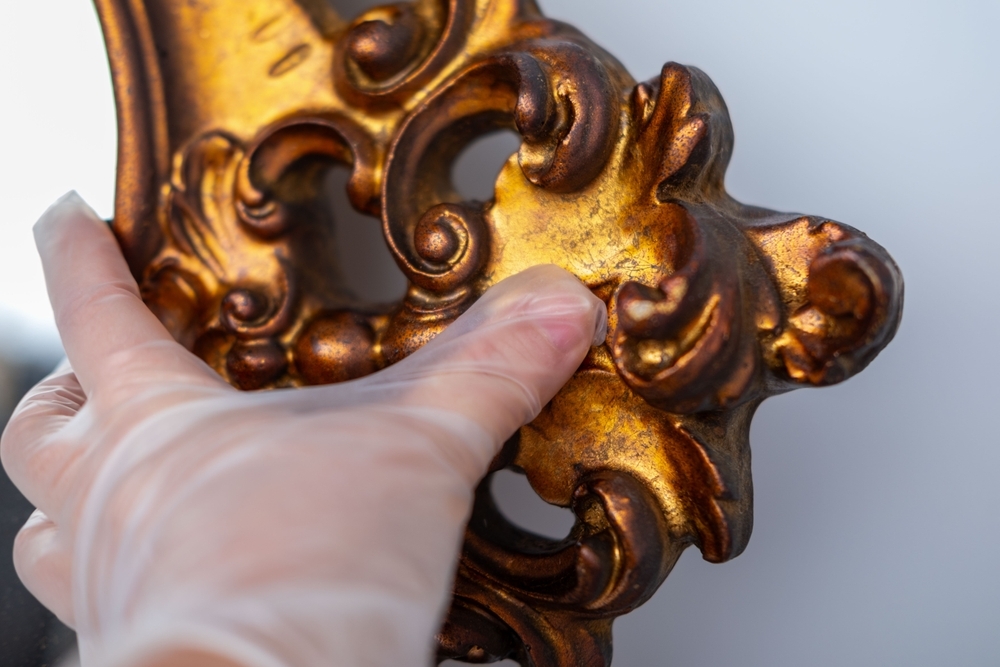
A strong partnership begins with consistency. A gallery should expect a calm evaluation of each piece, safe wrapping using archival materials, and protection tailored to the artwork’s needs. Crating recommendations should be thoughtful and based on real risk assessment.
During transport, the artwork should be stabilized and placed with intention. The vehicle environment should remain controlled, and the artwork should encounter as few touchpoints as possible. On arrival, the delivery should mirror the same careful attention given during collection.
Trusted partners also support galleries with services beyond transport. That may include in-gallery placement, art installation assistance, and secure storage when needed. These services work together to protect the artwork throughout its entire movement cycle.
Why Auction Houses Require Higher Standards
Auction houses manage large volumes of high-value work under tight deadlines. Pieces move between storage, preview rooms, photography studios, and client viewings before they ever reach a buyer. Each transfer presents a new risk.
A specialized auction shipper understands these demands. They plan movement with precision so the artwork arrives on schedule and in its original condition. They support rapid turnover without compromising safety. Their documentation and condition reporting help maintain clarity throughout the process.
Auction houses benefit from partners who treat every piece with the same level of care, regardless of sale price. High standards protect the reputation of the house and the trust of the consignors who rely on them.
Choosing an Art Mover in NYC
New York is one of the busiest art markets in the world, which creates unique challenges for art handling companies. Galleries must work with partners who understand city logistics. That includes navigating restricted loading areas, managing deliveries during congestion, meeting building security requirements, and coordinating with staff who have limited availability.
Art movers in NYC need to be familiar with these constraints so the artwork arrives on time and without disruption. A gallery benefits from working with a company that knows the city’s rhythms and has the equipment, training, and communication practices needed for a smooth experience.
How Arrow Express Supports Galleries and Auction Houses
Arrow Express has spent more than twenty years supporting galleries and auction houses with careful, reliable art transport. Our team brings museum-grade training to every move. We protect artwork with archival wrapping, secure stabilization, and on-site or mobile custom crating when it provides the safest outcome.
Our transport vehicles are configured to support secure placement, careful handling, and predictable movement. Combined with professional packing, custom crating, and internal route oversight, our approach helps maintain stable conditions for artwork throughout transit.
We offer clear communication throughout the process so clients always know what to expect. Our experience in New York City means we understand the challenges that galleries and auction houses face each day.
These practices reflect our commitment to handling artwork with the respect and precision it deserves.
Protecting Artwork, Exhibitions, and Client Trust
A gallery’s transport partner shapes more than the journey of a single piece. They influence how exhibitions come together, how clients perceive your professionalism, and how confidently you can plan your schedule. Trusted partners bring stability to the work you do.
If you want support from an art transport team with experience, care, and the training required to protect your artwork, Arrow Express is ready to help.
Article Sources
- National Gallery (UK): Paintings and Their Environment
- Smithsonian Institution: Museum Conservation Institute
- Heritage Preservation: The Importance of Temperature and Humidity Control
- The American Alliance of Museums: Standards for Handling and Moving Collections.