

In fine art shipping, “surprise” is a dirty word. While white-glove service implies luxury, its true value lies in predictability. Paintings, sculptures, and collectibles require clear planning, shared expectations, and steady coordination from the first conversation to final delivery.
In professional white-glove shipping, communication is the system that holds everything together. This is why experienced fine art shipping services place so much emphasis on how information moves alongside the artwork itself.
What White-Glove Shipping Actually Promises

White-glove shipping is a promise of clarity. Clients are trusting providers with schedules, reputations, and relationships.
At its core, white-glove shipping is about accountability at every stage of the move. That begins with understanding what’s being shipped and continues through artwork packing, transport coordination, and final placement. Each step depends on accurate information being shared early and confirmed often.
Professional art movers who work this way reduce surprises by design. The result is a shipping experience that feels calm, organized, and reliable, because everyone involved knows what to expect before the truck arrives.
Related Reading: A Comprehensive Guide On How To Ship Fine Art
White-glove shipping is a promise of clarity. Clients are trusting providers with schedules, reputations, and relationships.
At its core, white-glove shipping is about accountability at every stage of the move. That begins with understanding what’s being shipped and continues through artwork packing, transport coordination, and final placement. Each step depends on accurate information being shared early and confirmed often.
Professional art movers who work this way reduce surprises by design. The result is a shipping experience that feels calm, organized, and reliable, because everyone involved knows what to expect before the truck arrives.
Related Reading: A Comprehensive Guide On How To Ship Fine Art
Where Communication Breakdowns Usually Happen
Most problems in white-glove shipping begin early, often before the artwork is even packed. Small gaps in communication can quietly compound until they surface as stress, delays, or damage.
Scope Creep
One common point of breakdown is scope definition. If a client provides the canvas size but forgets the 3-inch ornate frame, the crate built for the artwork effectively becomes useless the moment the driver arrives. Without a shared understanding of these factors, artwork packing decisions can miss important nuances that affect stability and protection.
Lack of Predictability
Timing is another frequent challenge. Pickup windows that seem flexible on paper may conflict with building access rules, staffing availability, or exhibition schedules. When these constraints are not clearly discussed in advance, last-minute adjustments introduce pressure and risk.
Delivery Planning
Access and environment also matter more than many clients expect. Narrow stairwells, freight elevator requirements, limited loading zones, and security protocols all influence how artwork should be handled and when it can move. When this information surfaces late, even experienced teams are forced to work reactively rather than deliberately.
Lack of Accountability
Communication gaps can also appear during handoffs. If responsibilities between packing, transport, and delivery are not clearly defined, accountability becomes blurred. Questions about who is managing a specific stage may arise only after something goes wrong.
Related Reading: The Importance of Custom Crating
Communication Before Pickup Sets the Entire Shipment up for Success
The most effective processes begin well before collection. Instead of relying on assumptions, we use early conversations to validate the “invisible” details:
- Access: Is there a freight elevator? Are there specific COI requirements?
- Condition: Does the varnish need to breathe? Is the frame joint loose?
When we lock these details in early, we don’t need to guess at the right packing method.
Access planning is equally important. Knowing whether a piece is being collected from a private residence, gallery, storage facility, or institutional space affects everything from crew size to equipment selection.
This stage is also where decisions about preparation are made. Some shipments benefit from on-site packing, where artwork is wrapped and stabilized at its current location under controlled conditions. Others require mobile packing services, allowing trained handlers to bring materials and equipment directly to the artwork rather than moving it prematurely. Choosing the right approach depends entirely on accurate information and shared expectations.
When communication is thorough before pickup, the shipment begins with confidence. Packing materials are prepared in advance. Crating recommendations are based on real risk factors. The transport plan reflects the actual environment the artwork will move through. Each decision reinforces the next, creating a stable foundation for the rest of the journey.
Preparation Meets Precision
Unsure if your piece needs on-site wrapping or a full mobile packing team? We adapt our preparation methods to your specific access and timeline needs.
Why Artwork Packing Depends on Clear Information
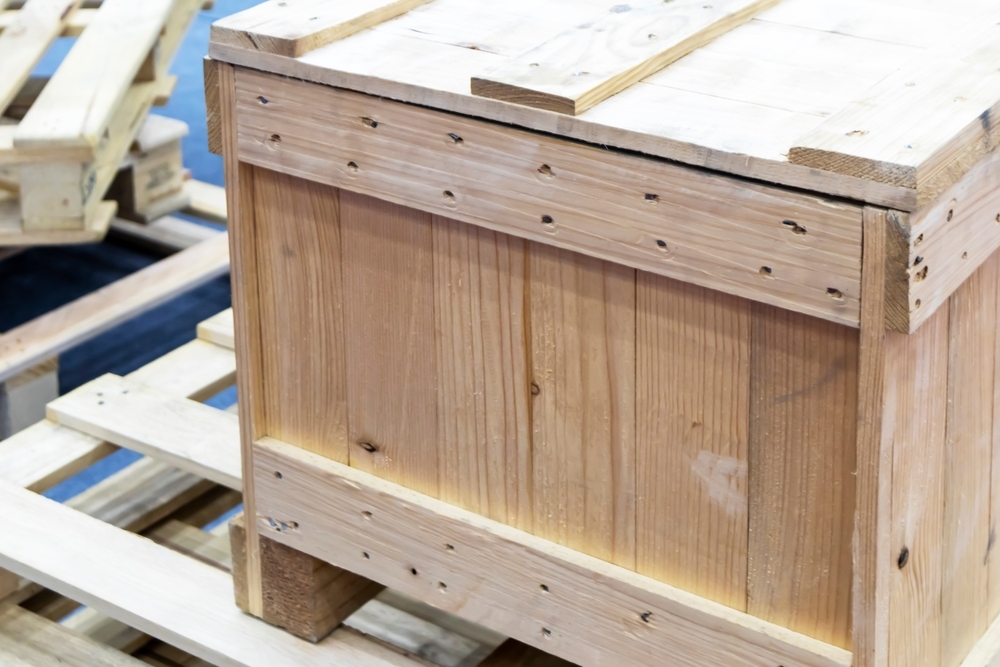
Artwork packing is only as effective as the information that guides it. When the details are clearly communicated, packing becomes a precise, protective process rather than a best guess.
Artwork Sensitivity
Surface sensitivity plays a major role. A painting with raised brushwork, friable pigment, or aged varnish requires different packing materials than a modern print with a sealed surface. Framing details matter as well. Loose joints, ornate moldings, or older glazing introduce vulnerabilities that must be addressed during preparation. Clear communication about these factors ensures the correct materials are selected from the start.
The Journey
Travel distance and route also influence packing decisions. Local art shipping may allow for lighter protective systems when access and handling are tightly controlled. Longer journeys, multi-day transport, or transfers between facilities often call for additional layers of stabilization. When this information is shared early, artwork packing can be scaled appropriately without unnecessary exposure or overhandling.
When Common Couriers Are Part of the Plan
White-glove shipping does not always mean a single vehicle from start to finish. In some cases, common couriers are used as part of a broader transport plan. What matters is how that handoff is managed. Clear communication ensures that artwork is assessed, packed, and stabilized specifically for standard courier handling before any transfer occurs.
Custom Crating
Packing materials are chosen with intention. Archival paper, protective wraps, cushioning foams, and rigid supports each serve a specific purpose. Custom crating and packing effectiveness depend on how well they match the artwork’s needs and the realities of the journey ahead. Clear communication allows these materials to work together as a system rather than as isolated layers.
In white-glove shipping, packing is a direct response to the information gathered during planning. When details are accurate and complete, packing becomes one of the strongest safeguards in the entire process, supporting the artwork from preparation through final delivery.
Related Reading: Custom Crating: The Art of Protecting Your Masterpiece
Communication at Delivery Protects Trust and Reputation

Delivery is the moment when all prior planning becomes visible. For galleries, collectors, and institutions, this stage often carries the highest emotional and professional stakes. Clear communication ensures that delivery unfolds with the same level of control as preparation and transport.
Arrival timing matters. Galleries may be coordinating staff, installers, clients, or building management around a narrow window. When delivery expectations are clearly set and confirmed in advance, artwork can be received without pressure or disruption. It reduces rushed handling and allows the piece to transition smoothly into its next environment.
Access coordination is equally important. Loading docks, freight elevators, security protocols, and floor protection requirements all shape how artwork enters a space. Communication allows these details to be anticipated rather than negotiated on the spot. That preparation protects both the artwork and the relationships surrounding it.
At final placement, consistency matters. The same care used during packing and transport should be reflected in unloading and positioning. When communication remains clear through this final stage, clients experience delivery as a continuation of the process rather than a point of uncertainty. That continuity reinforces trust and supports the reputation of everyone involved.
Shipping Without the Guesswork
Whether moving a single canvas locally or an exhibition internationally, get a transport plan built on clear communication and accountability.
What to Look for in a White-Glove Shipping Partner
A reliable white-glove shipping partner demonstrates clarity before they demonstrate capability. Early conversations should feel structured and thorough, with thoughtful questions about the artwork, access conditions, and timing. Communication should be calm, specific, and consistent, rather than vague or reactive.
In white-glove shipping, confidence is built through clarity long before the artwork is moved.
How Arrow Express Approaches Communication
At Arrow Express, communication is treated as part of the handling process, not a separate layer added on top. Every shipment begins with clear planning conversations that establish scope, access, preparation needs, and timing. Those details guide packing decisions, transport coordination, and delivery execution from the outset.
Throughout the move, responsibility remains clear. Internal oversight ensures that routes, timing, and handoffs align with the agreed plan. When questions arise or conditions change, updates are shared with context and intent, so clients always understand what is happening and why.
Artwork is prepared with purpose, moved with care, and delivered with the same attention given at collection. Communication supports every step, keeping the process steady and predictable from start to finish.
White-Glove Shipping Works Best When Nothing Is Left Unsaid
White-glove shipping works when communication removes uncertainty before it has a chance to become risk. The result is a process that feels controlled from start to finish.
For galleries, collectors, and institutions, this clarity protects schedules, client relationships, and professional reputation. When communication is handled with care, the entire shipment feels intentional rather than reactive.
If you’re planning a move and want a shipping process built around preparation, accountability, and calm execution, Arrow Express is ready to support you.
Article Sources
- Smithsonian Museum Conservation Institute. ART IN TRANSIT: Handbook for Packing and Transporting Paintings. Accessed January 6th, 2026
- American Alliance of Museums (AAM). Collections Stewardship Standards. Accessed January 6th, 2026
- National Gallery (UK). Paintings and Their Environment. Accessed January 6th, 2026
- Getty Conservation Institute. Managing Collection Environments: Technical Notes and Guidance. Accessed January 6th, 2026.