


Artwork moves through the world in ways few objects do. A painting can hold decades of history in a single surface. A sculpture might balance weight and fragility in equal measure. These pieces deserve more than a standard shipping label, because the risks they face during transport are very different from those of ordinary cargo. The way artwork is handled, packed, and moved is the difference between preservation and loss.
Fine art logistics has grown into its own discipline for this reason. It’s a craft shaped by conservation science, material understanding, environmental control, and meticulous handling. General freight companies excel at moving volume. Fine art transport companies excel at protecting what can’t be replaced.
When you understand the difference, the value of choosing a specialist art courier becomes clear.
What Fine Art Logistics Really Means
Fine art logistics involves specialized methods designed to protect delicate, high-value, and often irreplaceable works. Every step, from initial assessment to final placement, is done with precision. Handlers are trained to move artwork slowly, carefully, and with attention to the points where a piece is most vulnerable. Packing materials are chosen to avoid chemical reactions, abrasion, and pressure. Crates are measured with intention so the artwork stays stable throughout the journey.
The Impact of Environment
Environmental control is a core element of this work. Artwork reacts to shifts in temperature and humidity. A rapid swing can lead to cracking, warping, or separation of materials. Fine art transport planning relies on insulation, careful packing, and controlled handling methods to support stable conditions throughout the journey. The goal is always the same: to prevent stress to the artwork and maintain its condition through each phase of movement.
Chain of Custody
Another defining feature of fine art logistics is the chain of custody. The number of people who handle the artwork is tightly limited. Each handover is documented. The client knows who has the piece, how it will travel, and when it will arrive. This level of visibility reduces the risk of damage, loss, or mishandling.
Related Reading: A Comprehensive Guide On How To Ship Fine Art
What General Freight Is Designed For
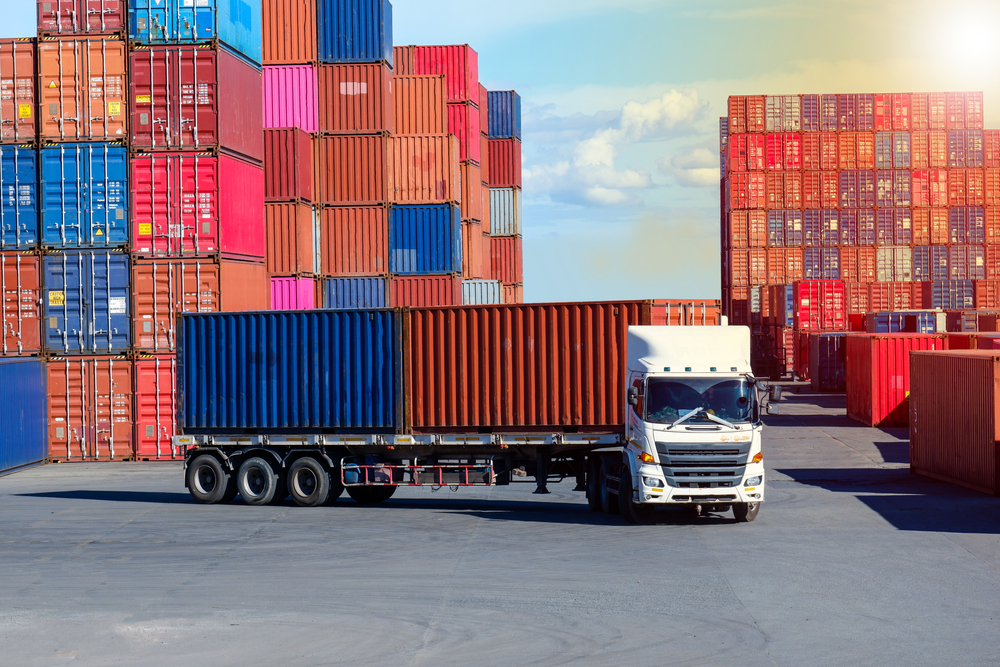
General freight is built around efficiency, speed, and volume. Large networks, automated facilities, and consolidated shipments allow everyday goods to move quickly. This approach is ideal for boxes, pallets, commodities, and commercial inventory. These items are designed to withstand stacking, vibration, temperature fluctuation, and repeated handling.
The systems behind standard freight move millions of pieces through hubs, belts, and loading bays. Packages encounter many hands and spend time in environments that shift throughout the day. This model is highly effective for everyday logistics, but it doesn’t account for the sensitivities of fine art.
General freight also follows timelines that focus on rapid turnover rather than controlled movement. Pieces may travel with a wide range of other cargo. They might sit in trailers exposed to heat, cold, or condensation. The process functions smoothly for most goods, but artwork has needs that don’t fit within this system.
Fine art logistics does not mean avoiding common couriers entirely. The difference lies in preparation. In professional art transport, artwork is assessed, packed, and stabilized to account for real-world handling conditions before it enters any transport network. When risk is controlled upstream, the carrier becomes a managed variable rather than a source of exposure. This is fundamentally different from general freight, where goods often enter the system with minimal protection.
Key Differences Between Fine Art Logistics and General Freight
Fine art logistics is structured around preservation and control, while general freight systems are optimized for high-volume commercial goods. One focuses on careful preservation. The other focuses on scale. These priorities shape everything from the materials used to the way cargo is handled on the road. When you look closely, the contrasts are immediate.
Handling Standards
Artwork needs trained hands. A professional art handler understands frame tension, surface sensitivity, and weight distribution. They lift and position pieces with slow, deliberate movements, paying attention to the areas that need the most support. Freight crews work efficiently with durable goods that can tolerate speed and contact with standard equipment. This difference affects how each item is loaded, secured, and monitored during transit.
Packing and Crating Requirements
Fine art transportation relies on custom-built crates, archival wrap, and internal supports designed for sensitive materials. Every crate is precisely measured, ensuring the artwork sits securely without shifting. These crates also create a controlled micro-environment that protects the piece from vibration and pressure.
General freight relies on standard boxes, pallets, and cushioning intended for items that can withstand bumps, stacking, and temperature changes. Artwork needs a level of structural protection that these materials cannot provide.
Related Reading: The Importance of Custom Crating
Environmental Control
The environment always matters when it comes to your collection. Fine art transport planning accounts for environmental exposure, using insulation and packing methods designed to limit rapid changes during transit. General freight systems do not account for environmental exposure in the same way. Trailers may become extremely warm or cold, and those conditions can harm sensitive surfaces or materials.
Tighter Security
Expert fine art companies limit the number of people who handle the piece. Each movement is documented so clients know where their artwork is and who’s responsible for it. That reduces exposure and keeps handling predictable. General freight moves through multiple hubs where cargo is sorted, scanned, transferred, and stored. Each step increases the number of touchpoints and the potential for accidental impact.
Insurance and Liability
Specialist insurance is critical when it comes to the priceless. Fine art moving companies offer shipping insurance coverage that reflects the value and uniqueness of the items they transport. Policies are structured to support the needs of collectors, galleries, and institutions. Freight insurance is designed for commercial goods that can be replaced through standard claims. The difference becomes significant when an item has historical, artistic, or sentimental value.
When You Should Always Use a Fine Art Transport Company
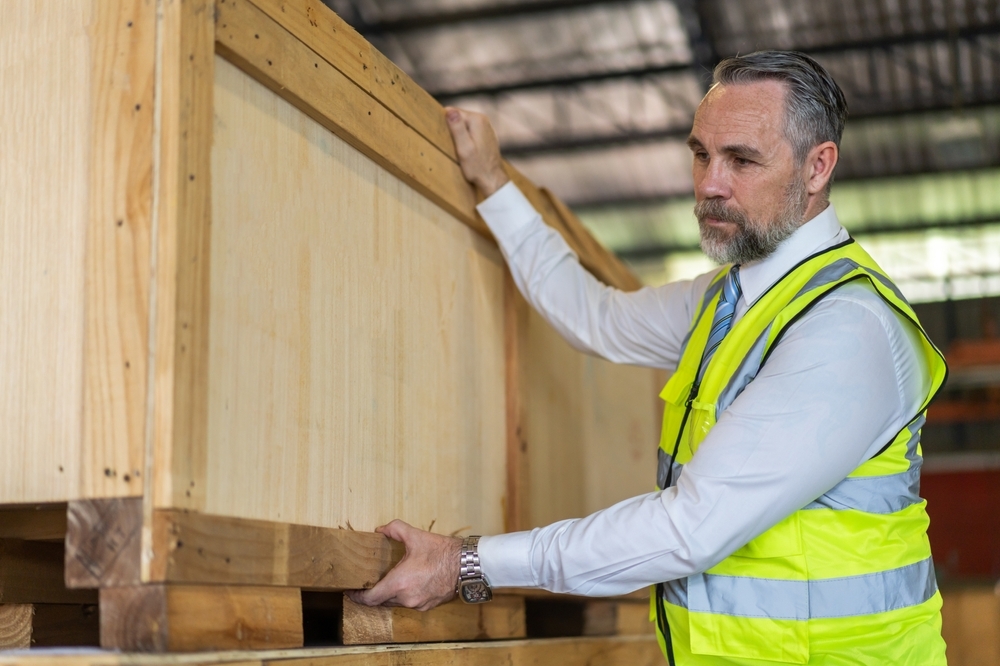
Some shipments demand specialist care, no matter the distance. Original artwork deserves this level of protection. Sculptures with delicate balance or protruding elements also benefit from controlled handling. Pieces with glazing or aged frames face risks that require custom supports. Large or unusually shaped works often need tailored crating to ensure stability.
Collections with significant financial or emotional value should always be moved with fine art movers. Materials sensitive to temperature or humidity change can be harmed by exposure, even during short journeys. Museum loans, gallery installations, and estate pieces also belong with specialist shippers who understand the responsibility involved.
The Risks of Using General Freight for Artwork
Many common issues arise when artwork is placed into systems designed for durable goods. Road vibration can damage fragile frames or loosen elements on a sculpture. Abrasion can occur when pieces are packed with inadequate padding or when materials shift inside a box. Stacking applies pressure that artwork can’t withstand.
Temperature swings present another serious risk. Artwork stored in a warm or cold trailer may experience condensation or warping. Frequent handling increases the chance of accidental impact. Documentation may be limited, which can complicate insurance claims.
These risks are routine in general freight. They become serious when the cargo is art.
What to Look for in Fine Art Moving Companies
A trustworthy fine art moving company combines skill, equipment, and experience. Training is the foundation. Handlers should understand conservation principles and know how to position, lift, and secure different types of artwork. Custom crating capabilities are essential. Vehicles should offer clean, enclosed interiors that support secure placement and allow professional packing systems to perform as intended.
Reputation matters too. Look for a company known for reliability, transparency, and clear communication. Insurance coverage should be tailored to the artwork. Documentation should follow the artwork’s journey from collection to delivery.
These qualities indicate a shipper committed to protecting what clients value most.
How Arrow Express Handles Fine Art Logistics
Arrow Express has spent more than twenty years refining a craft built around precision and care. Every artwork is assessed with attention to its structure, surface, and condition. Packing materials are chosen thoughtfully so each layer supports and protects the piece. Crates are custom-built with accurate measurements and internal stability.
The transportation environment is managed through careful preparation, GPS-supported oversight, and vehicles configured for secure placement and controlled movement. Loading is done calmly and with intention. Communication remains clear throughout the process so clients understand each step. These practices reflect our commitment to responsible fine art transport and the trust placed in our team by galleries, collectors, and institutions.
Choosing Safety, Experience, and Peace of Mind
When artwork travels, the quality of the journey matters as much as the destination. Fine art logistics exists to give each piece the environment it needs to arrive safely. The methods used by specialist shippers are designed for preservation, stability, and clarity. These are the standards that protect paintings, sculptures, antiques, and collections.
Your artwork deserves a team that handles each shipment with trained care and steady focus. If you want support from professionals who understand the craft of safe transport, Arrow Express is ready to help.
Article Sources
- USPS. One-Day Shipping Facts. Accessed December 5th, 2025
- Khayos Art. The Role of Temperature and Humidity in Art Preservation. January 9, 2025